The Practitioner
Alora Dawn
Tsunki Nua · Puyu Sisa Nan
Practitioner of the Healing Arts
About
The Story
My Story
I have always been fascinated by Nature’s innate drive toward balance and her regenerative, healing properties. It is through this fascination, and through the trials and tribulations of my own health journey, that I found myself immersed in the healing arts.
For many years, I struggled with my relationship with food. As is true for most, eating disorders often stem from trauma, a sense of having no control, not feeling worthy of nourishment; or, as a therapist once told me, of love. That 10-year mental health struggle led me down many roads: desperation, angst, mistrust in myself, and eventually physical health issues as well. It was through my own woundedness that I happened upon Nature’s healing way.
It Began With Yoga: Healing the Mind and Body
My holistic journey began with a lot of struggle, as it so often does. I couldn’t find balance between mind and body, and it was that imbalance that pushed me to start seeking answers. But before I could find any, I had to get curious. About myself. My self-perception. My cognitive trappings. Curiosity, and admittedly a deep frustration, is what got me looking. Conventional aid has its place, but it didn’t feel like mine. What I was carrying seemed deeper than anything pharmaceuticals could touch. My spiritual bedrock was amiss, and somewhere deep within, I knew it.
That intuitive knowing led me down a long road of books, podcasts, documentaries, and finally, Ashtanga yoga. All I knew was that whatever I had going on, I wasn’t going to be able to read or wish my way out of it. Trauma was stuck in my body, and self-perpetuating subconscious triggers fed a vicious cycle. This yogic practice became my ultimate saviour. And I don’t say that lightly. I say it quite truthfully. It broke the cycle. Or really, I did. It was less about the Westernized workout version of yoga (which I also enjoy), and more about the meditation, intentional movement, and pranayama, which were inexplicably powerful for moving trapped emotion through me. From the start, every class was an emotional release; it deepened my self-awareness, and pretty quickly, the practice became an obsession. It was the first time in years that I felt my mind and body actually harmonize. The first time that emotion which had been trapped and stuck for so long could finally find its release. Through that practice, I discovered a deep sense of freedom and love within my own body. And each time that love surfaced, it moved me. Deeply. Profoundly. EDs and a lack of internal love go hand in hand. Or at least, that was my experience. So through the daily showing up for my body, learning to see it as the wondrous living organism it is, dedicating myself to changing my thoughts and ultimately my behaviors, giving myself grace when I slipped, and returning again and again to mindfulness and self-love, day by day, month by month, a new pattern began to take shape.
After more than a year of showing up daily, something deep inside me recalibrated. The balance between mind and body was restored. Some might call it neuroplasticity. Mindfulness-based healing. Whatever the name, it was the one thing that got to the root of my ED after ten years of struggle. Mind you, it was no quick fix. Not easy. Not a magic pill. It took month after month of rewiring old patterning. But it was transformative. The practice stopped being something I had to do and became something I couldn’t wait to return to. Meditative movement and mindfulness became a way of life, so much so that I eventually pursued my YTT and began offering this moving meditation to others, the way it had been so generously offered to me. Finding equilibrium in mind and body opened the doors for the next teachers to step onto my path. By then, I was an eager student.
The Herbal Way: Understanding the Healing Powers of Plants
In much the same way, I found herbalism. Or perhaps herbalism found me. I was seeking physical relief for my gut issues, and once again, I found it: through the guidance of skilled herbal practitioners, the healing power of plants, and my own commitment to the work. Discovering herbs felt like a deep remembrance. It was my “ah-ha” moment. Learning the language of plants through their energetic patterns, their personalities, and their medicinal qualities was like stepping into a real, effective, and whimsical world. I couldn’t believe how much we have forgotten as a society in only the last couple hundred years. When I truly began to understand how necessary and important herbs and plants are to our human evolution, and how in only the last few generations we have fallen away from them, I realized how much we have forgotten. Yet the plants still call out to us. Beckoning us to remember. Calling us home, back to the family. They have stewarded our human evolution since the dawn of time, and should we remember and rekindle our bond with the natural world, they may steward us back into balance for generations to come. Learning the history of herbalism, experiencing the true effectiveness of these plants, and witnessing the dedication of the herbal teachers, educators, and elders to ensure this knowledge is protected was nothing short of life-changing. It felt like a veil was lifted. A deep truth was remembered in this great “ah-ha” moment of mine.
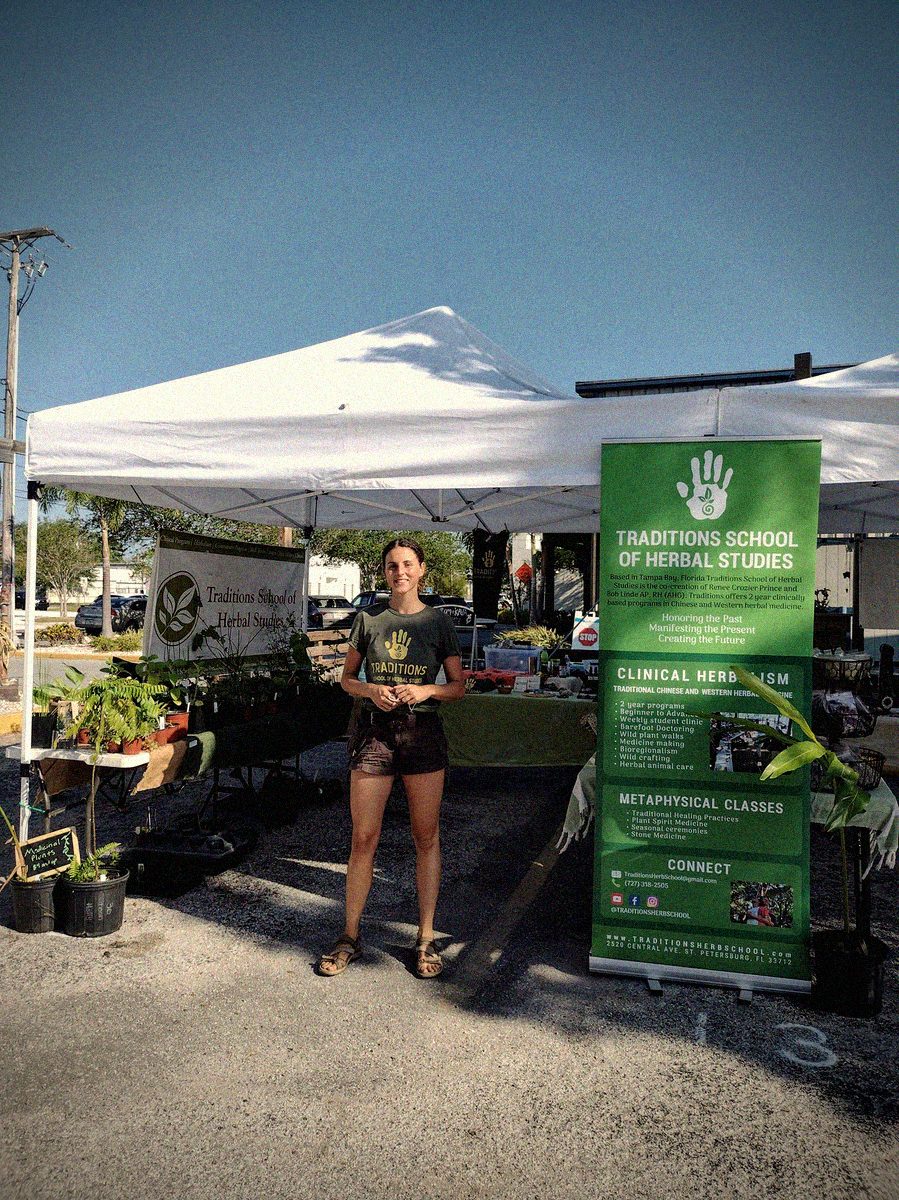
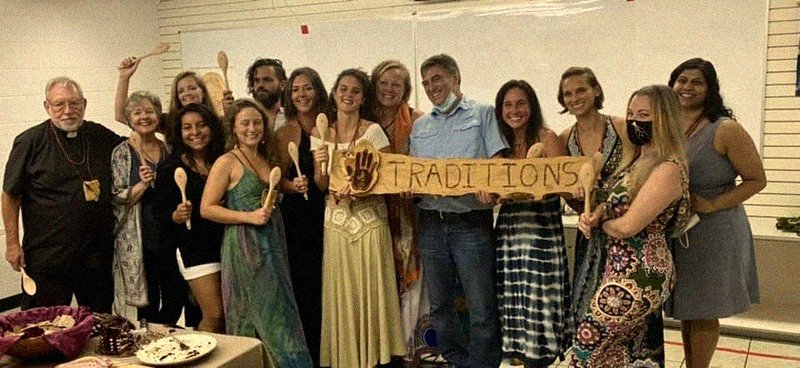
So, naturally, I enrolled in the two-year program at Traditions School of Herbal Studies. After graduating from the two-year Western Herbalism program, you then move on to the Practicum student hands-on student clinic and then continue on from there. Seeing how herbs, flower essences, and even homeopathic remedies impacted people solidified my deep belief in the healing power of plants. Through my clinical experience, though, I couldn’t help but feel I was missing something. My teachers would talk about the spiritual side of herbalism. Connecting with the being of the plant. Its personality, its essence. Finding that relationship. As much as I loved the rich and knowledgeable experience of working in the clinic, I had a hard time connecting with the spiritual side of things. I didn’t truly know what that meant. Then, lo and behold, COVID hit, and everything changed. During this time, there were many losses, and life took me elsewhere. Very long story short, a year later, I found myself in the Ecuadorian Amazonian jungle.
The Medicine Path: Witnessing Spiritual Healing Through Ancestral Wisdom
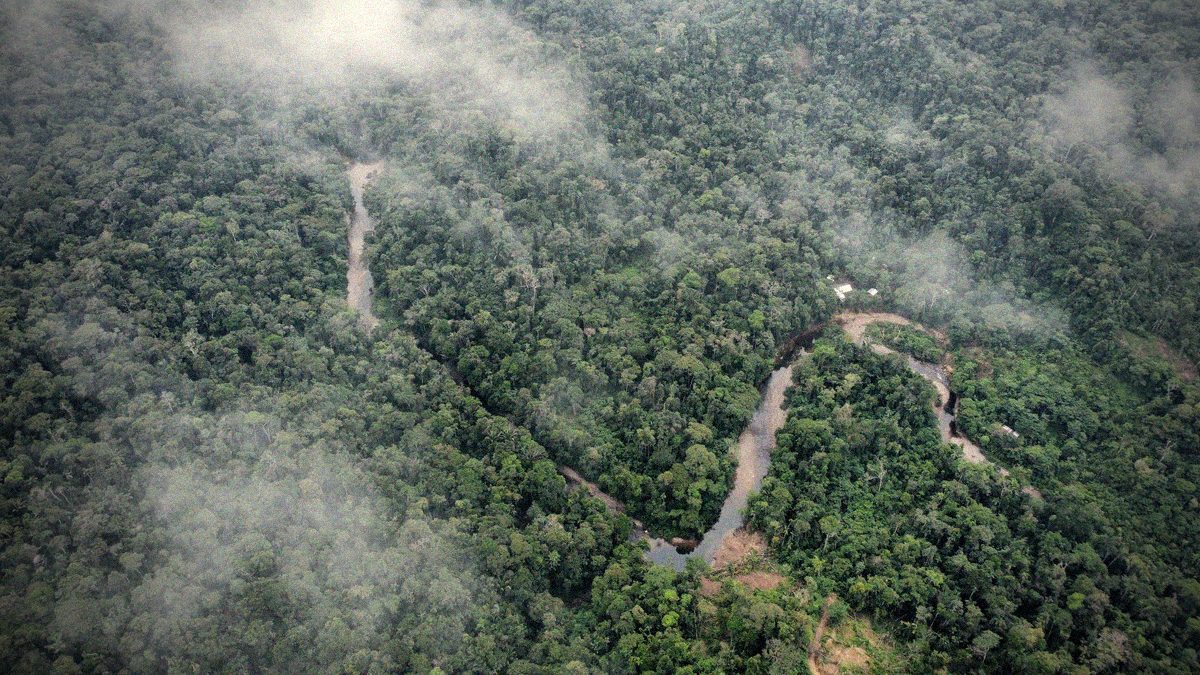
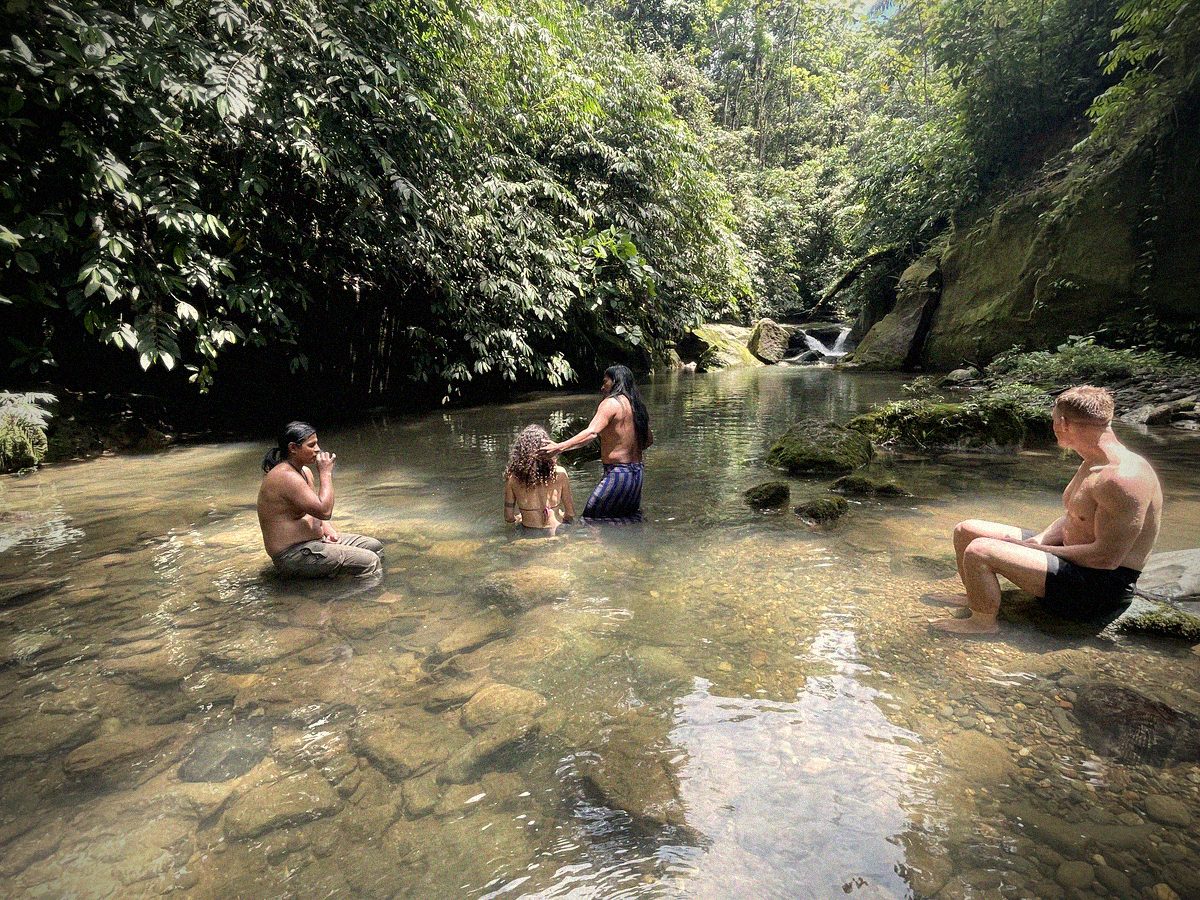
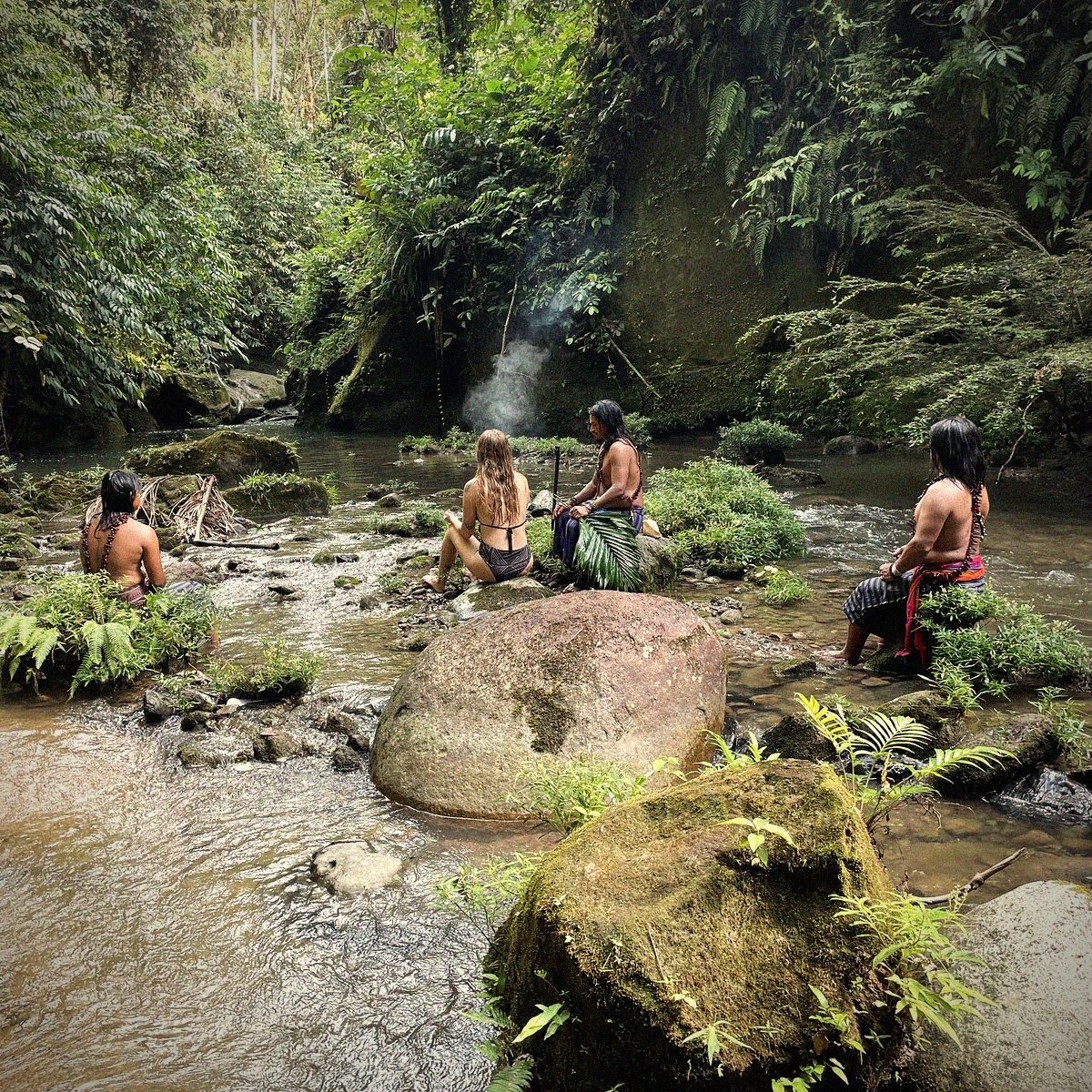
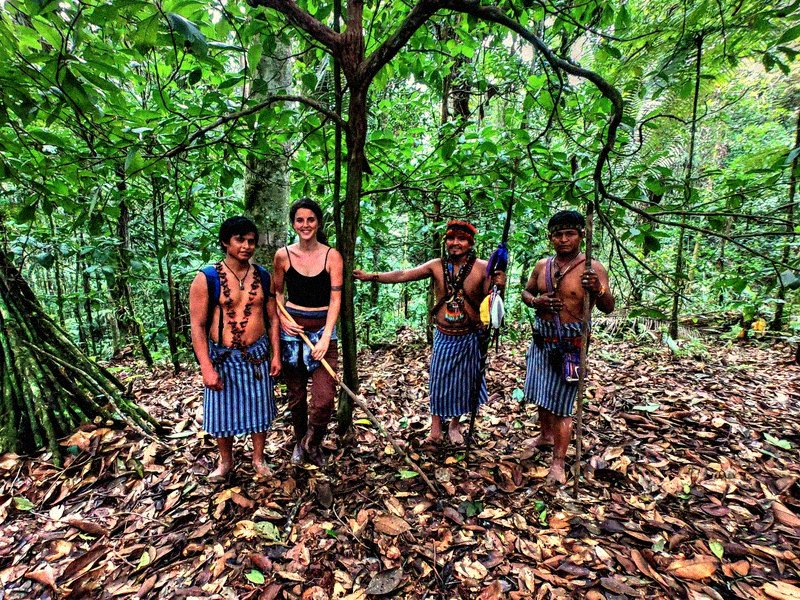
Through chance, serendipity, fate, destiny, however you choose to name it, I was initiated onto the medicine path by indigenous Shuar curandero Uwishin (or Taita) Amaru Nanki. The initiation took place over four and a half years, apprenticing in ancestral healing arts alongside the last unconquered Amazonian tribe, the Shuar.
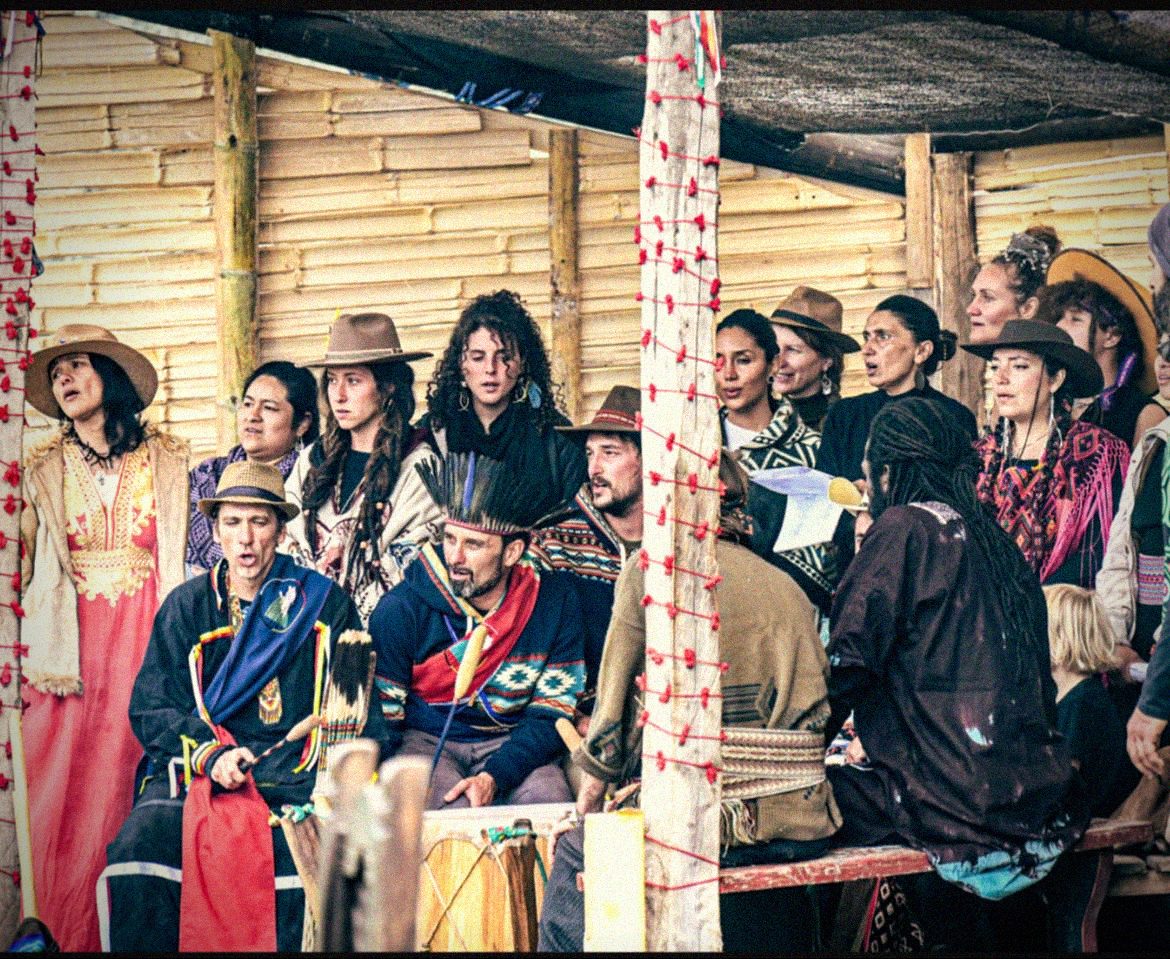
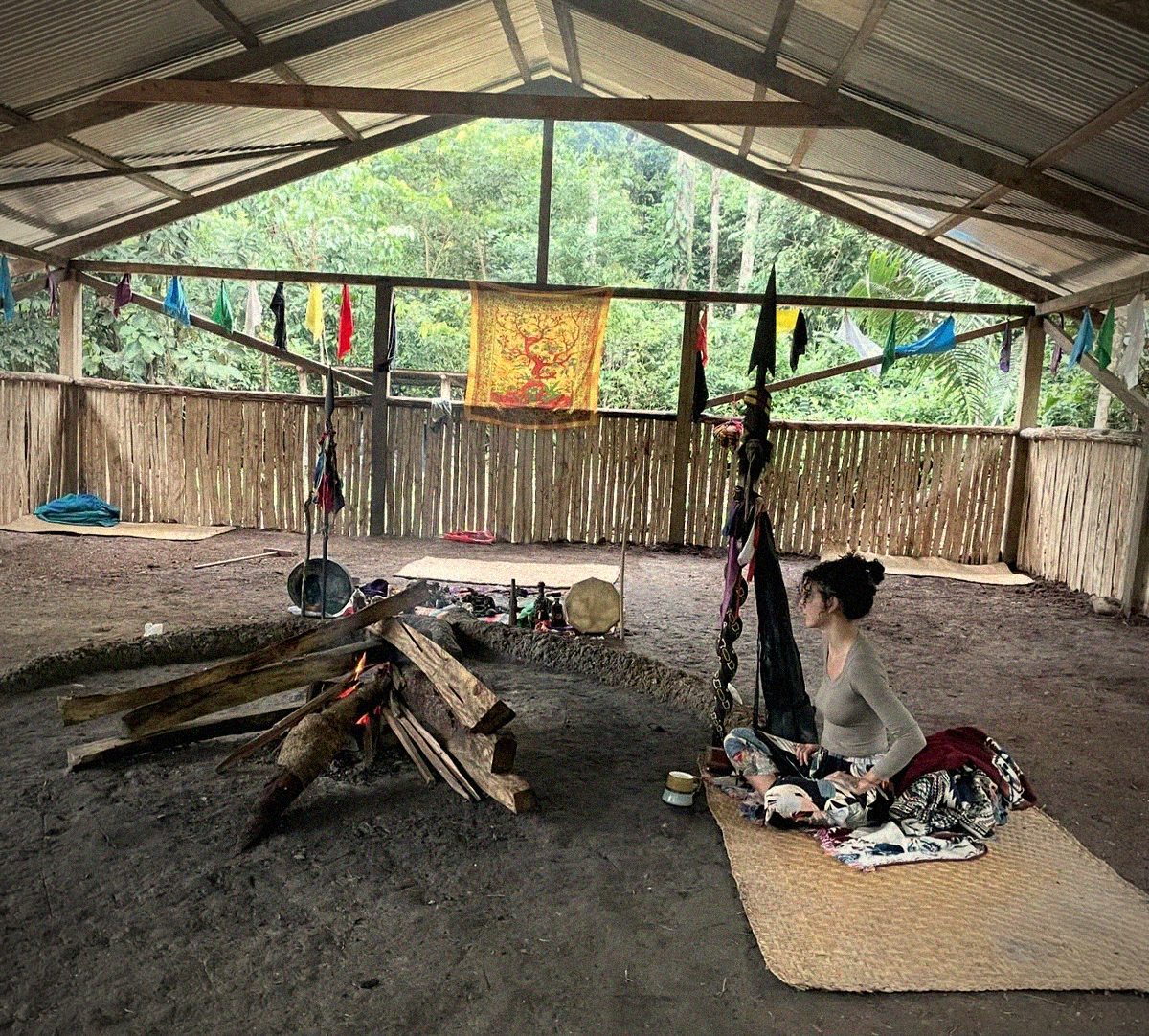
This apprenticeship involved partaking in countless ayahuasca ceremonies, where medicine was served by a legitimate curandero, Taita Galo Amaru Nanki, to those gravely ill or plagued by the “unknown diseases” conventional doctors could not cure. What I witnessed in those ancestral ceremonies completely reshaped my understanding of what healing is, and how limited our Western framing of it has been. And funny enough, throughout those four years, I finally got to understand and truly experience the essence of plants, the sacred relationship between plant and healer, through one of the most powerful Amazonian medicines. During this intense yet life-changing apprenticeship, I often thought back on my herbal teachers who spoke of these green beings and their spiritual essence, and of how important it is for a practitioner to have a relationship with them in order to offer genuine healing support. Another powerful “ah-ha” moment. Or rather, moments. Witnessing these ancestral therapies made clear what allopathic medicine is missing, and taught me how essential our spiritual wellbeing is for the physical and emotional bodies to return to balance. These ancestral teachings feel more important now than ever, as the Western world grows sicker and so many are desperately seeking Nature’s healing ways.
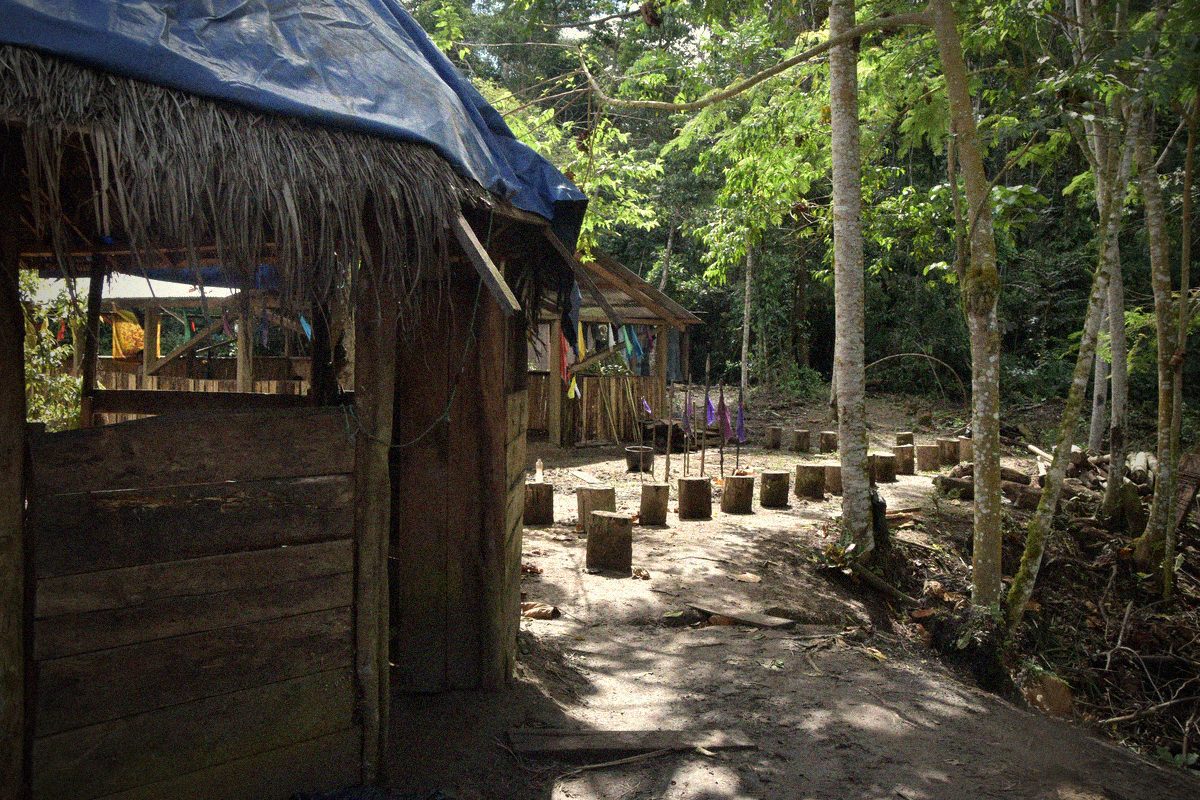
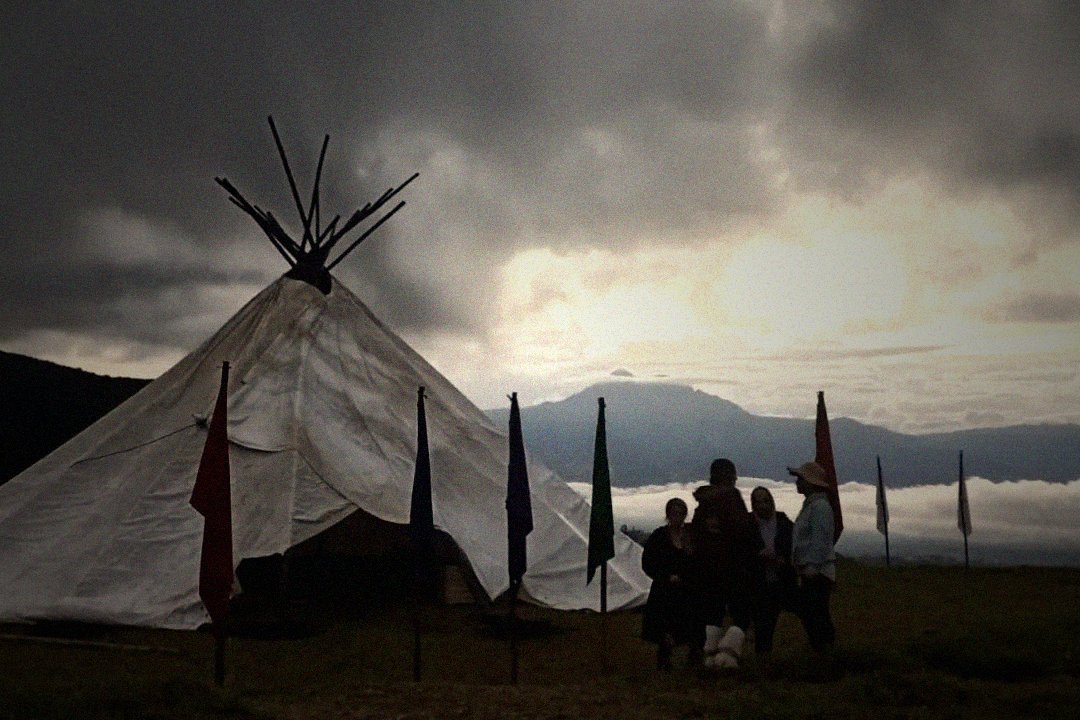
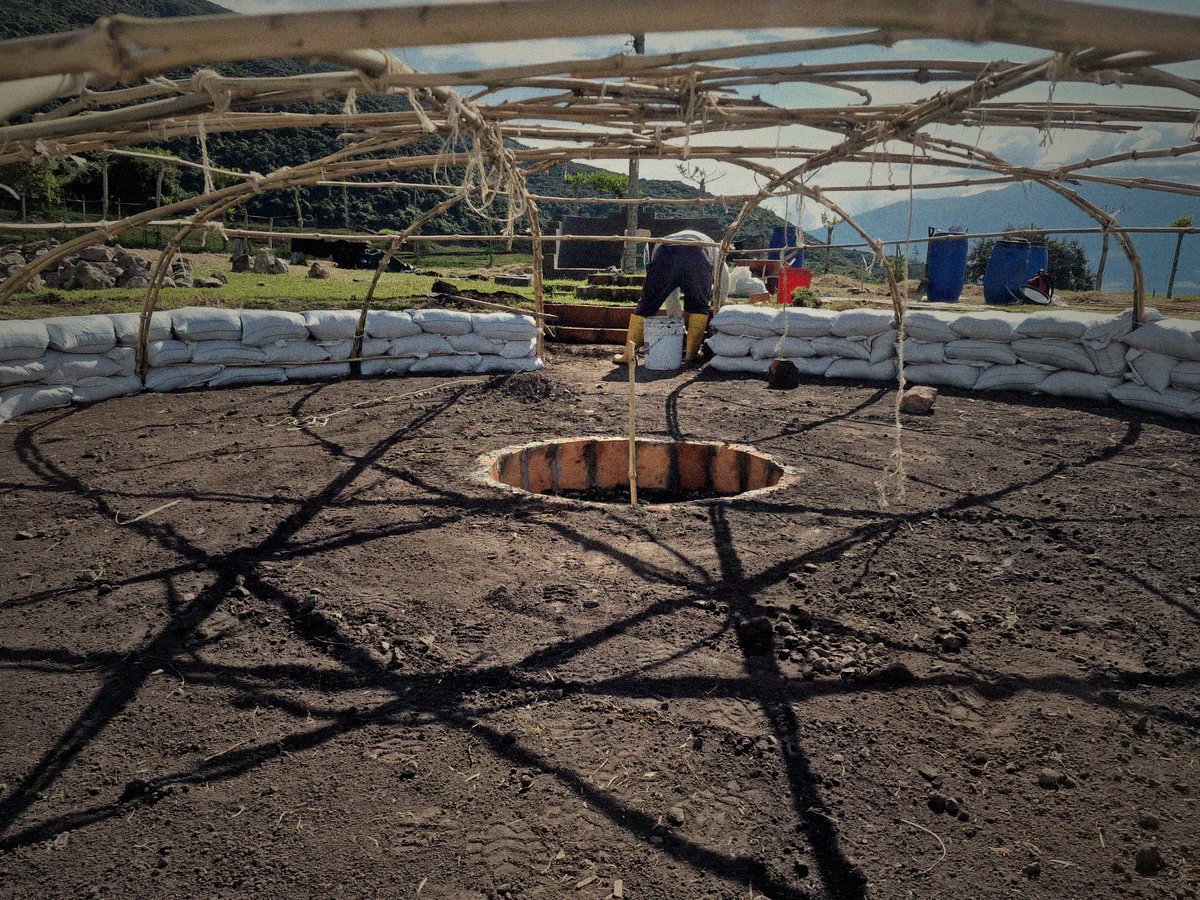
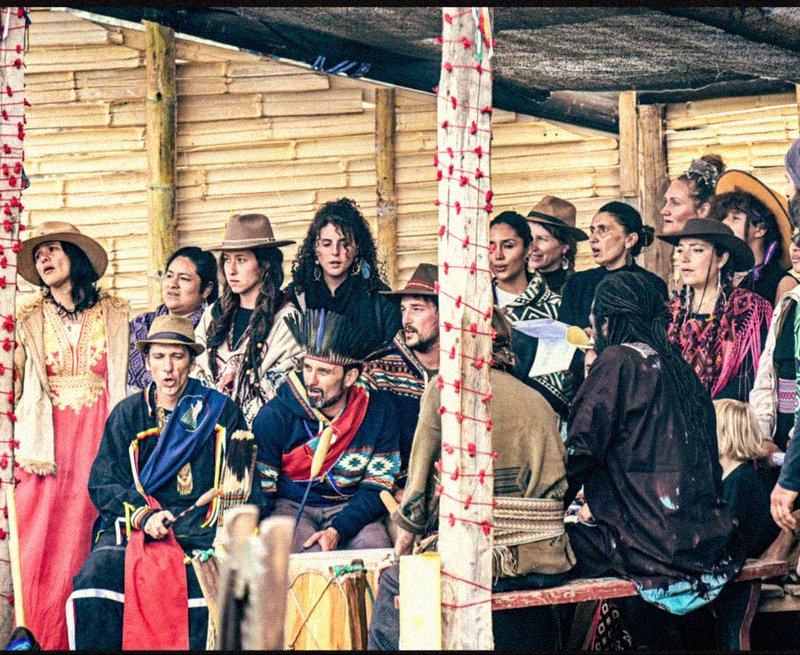
This commitment also included four years of vision quest and four years of sundance, and has blessed me with being a carrier of the Sacred Pipe, the Chanupa. These practices derive from the Red Road, more specifically the Lakota lineage, and were held in the Andes of Ecuador with the family of Ayapuma, led by Taita Santiago, who carries the ways of San Pedro and the Andean teachings. All of my ancestral services are shared only with the permission of my elders, maestros, and teachers of these lineages.
Foundational Nutrition: Food as Medicine
Because the beginning of my journey was about healing my relationship with food, and because I believe food is foundational to our health, that it is our original medicine, my desire to understand nutrition deepened significantly. Long before pharmacies and modern supplementation, whole foods were how our ancestors nourished, healed, and restored themselves. That fundamental truth, that food is medicine, is one no health care system should forget.
I am currently enrolled in a two-year holistic nutrition program with Nutraphoria School of Holistic Nutrition, a NANP-approved curriculum that blends functional, bio-individual, and whole-foods approaches to wellness. After graduation, I aspire to pursue BCHN board certification.
My Approach
Addressing all three bodies (spiritual, physical, and emotional) is my integrative focus. My approach is vitalist in orientation, rooted in the understanding that the body is intelligent, self-regulating, and always tending toward wholeness when properly supported.
I hold deep respect for modern medicine and the true scientific method. Understanding the constituents, the parts, the mechanisms, matters. And yet, the whole is never merely the sum of its parts. A human being cannot be reduced to data points, symptoms, or biochemistry alone. What makes us alive, and what allows us to heal, lives in the space between what science can measure and what ancestral wisdom has known for centuries.
Bridging this gap is the key to integrative health for the people. Modern medicine has its place. So do herbal, nutritional, and spiritual therapies. Each is legitimate. Each has something to offer that the others cannot. It is through ritual, prayer, and reconnection to the great mystery of the healing arts that we rediscover spiritual wellness, an ancestral practice that lives beyond what modern medicine typically addresses.
A Prayer I Hold Close
This integrative practice is a prayer I hold close to my heart. This offering will continue to grow, adapt, and evolve, as Nature herself does. It is my belief that by returning to Nature’s healing way, we rediscover our own innate capacity to heal. And it is from this belief that I dedicate my studies, my heart, and this offering to the community.
May we all remember that our life is worth healing, that our life is worth living, and living well.
This is Sancta Viva.
“Healing is as much of an art as it is a science. Vitality, wholeness and longevity go beyond a prescription; we are more than just a symptom to be masked.”
The philosophy that guides this work is rooted in vitalism: the understanding that the body possesses its own innate intelligence and healing capacity. Rather than suppressing symptoms, the goal is to listen to what the body is communicating and support its natural movement toward balance.
This approach honors the whole person: body, mind, and spirit. It draws from the strengths of modern nutritional science while remaining deeply connected to the ancestral wisdom traditions that have supported human health for millennia. Food, plant medicine, prayer, and spiritual care are not separate from health; they are its foundation.
True healing requires more than a protocol. It asks for humility, willpower, sincerity, and integrity: the four pillars of lasting change. It asks us to examine not just what we eat or take, but how we think, how we relate, and what we believe about our own capacity to heal.
Rooted in Study & Tradition
Education, Training & Lineage
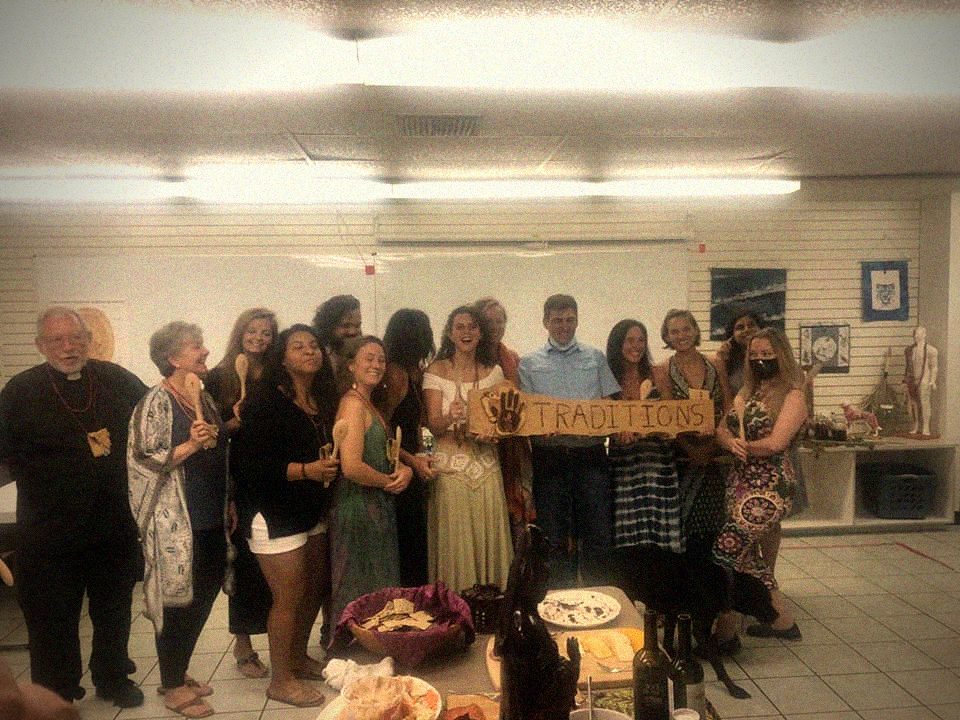
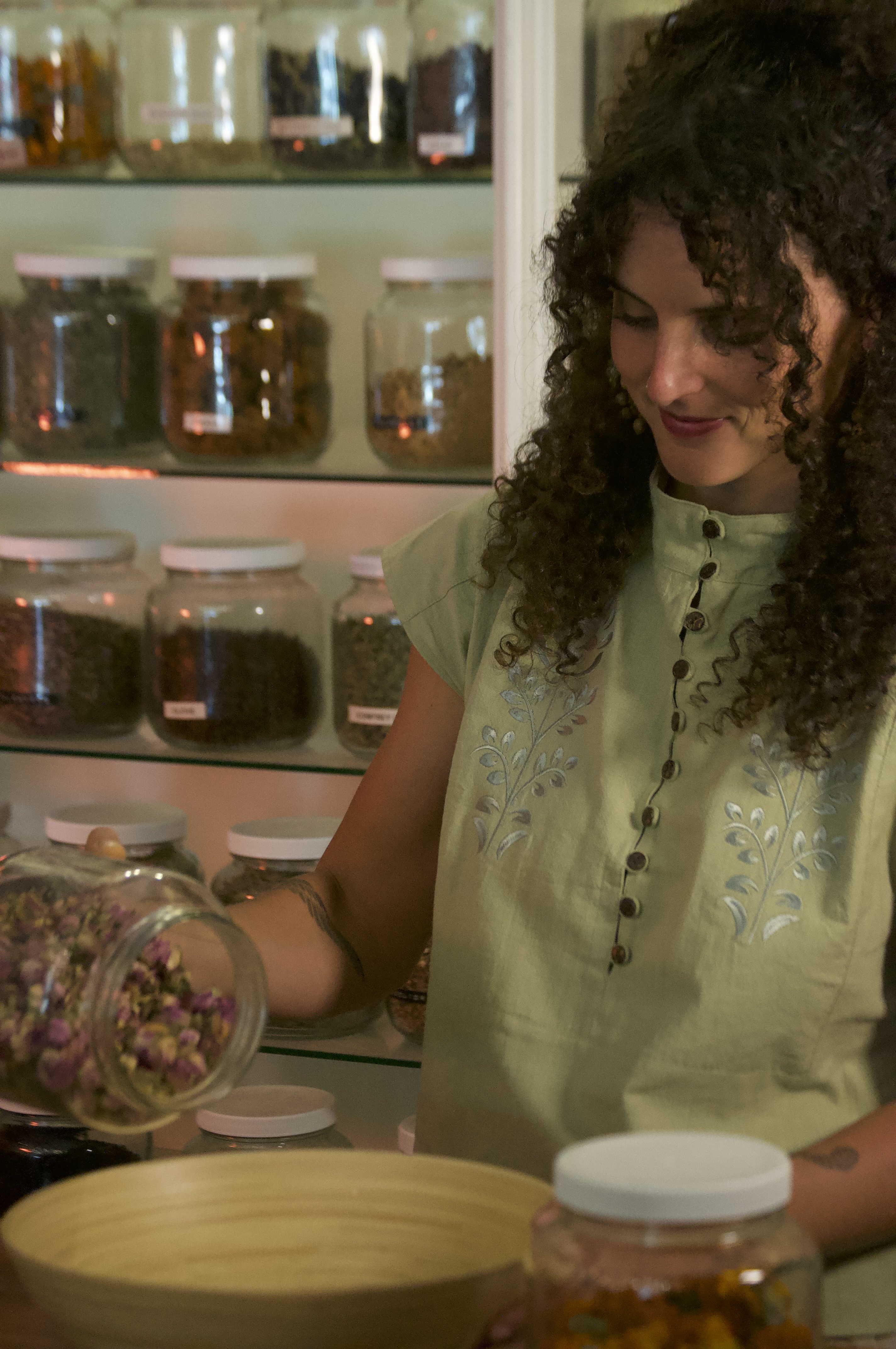
Two and a half years of study at Traditions School of Herbal Studies in St. Petersburg, Florida, under Dr. Bob Linde and Renée Crozier Prince. This was the classroom where I learned to listen, to the plants and to the body, and where I began to understand the energetics of herbs, the patterns of disease, and the art of observation and vitalism.
The training is rooted in the idea that true healing is constitutional. That what nourishes or balances one person may destabilize another. That behind every symptom is a pattern, and behind every pattern is a body already working to restore itself. The herbalist’s role, in this framework, is to listen carefully, read what the body is communicating, and support its innate intelligence with the right plants at the right time.
Coursework moved through botany and plant identification, materia medica, energetic and constitutional theory, organ systems, disease patterns, formulation, and the philosophical roots of both Western and Eastern herbal traditions. It trains the practitioner to think in terms of root causes and energetic tendencies, not symptoms alone.
A year and a half of the program was dedicated to hands-on clinical practice, working directly with clients, formulating personalized herbal protocols, and learning to read the body’s language through pulse, tongue, tissue states, and constitutional assessment. This is where the theoretical became embodied, and where I learned that every consultation is, first and foremost, an act of listening. Of slowing down. Of meeting a person where they actually are, and not where a textbook says they should be.
For me, herbalism has always felt like a remembrance. The plants ask for relationship. They ask for patience. And they meet us, again and again, with a wisdom that modern medicine, for all its precision, cannot replicate.
El Camino de la Flecha: Shuar Amazonian Lineage
Giving my deep gratitude to Taita Galo Amaru Nanki
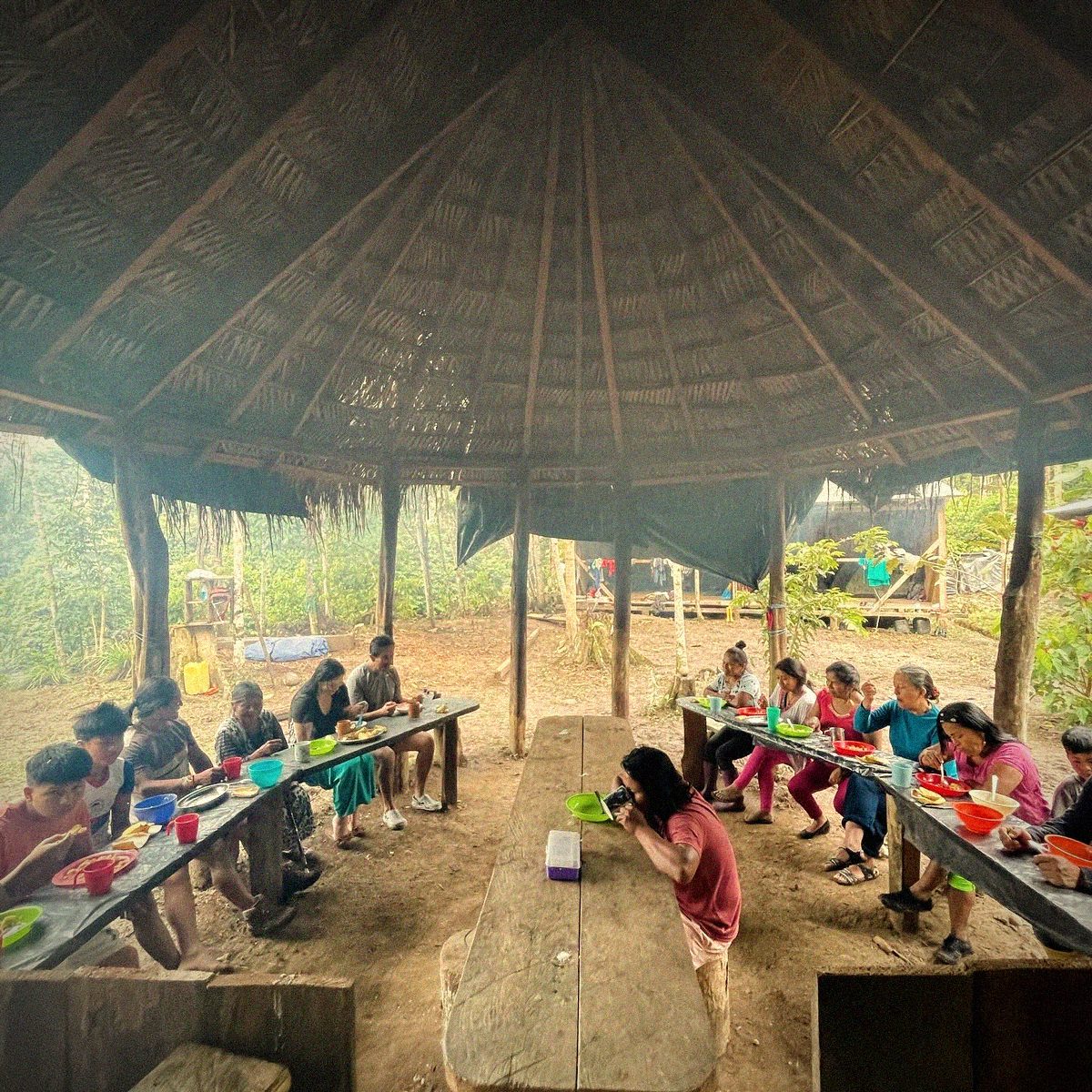
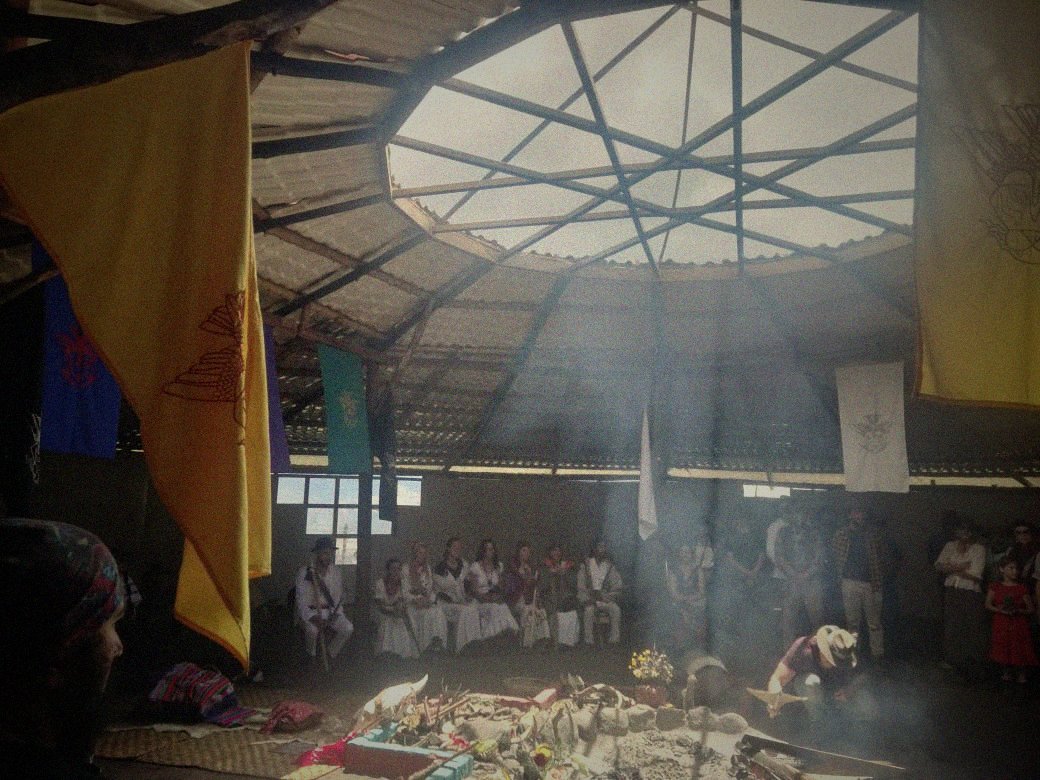
One day, I found myself in the heart of the Amazonian jungle, being initiated onto el camino de la flecha by Shuar indigenous curandero Taita Galo Amaru Nanki. It wasn’t something I sought, but it found me nonetheless. What began as a simple initiation turned into four and a half years (and counting) of learning the powerful, mysterious healing ways of Natem, known to much of the world as ayahuasca.
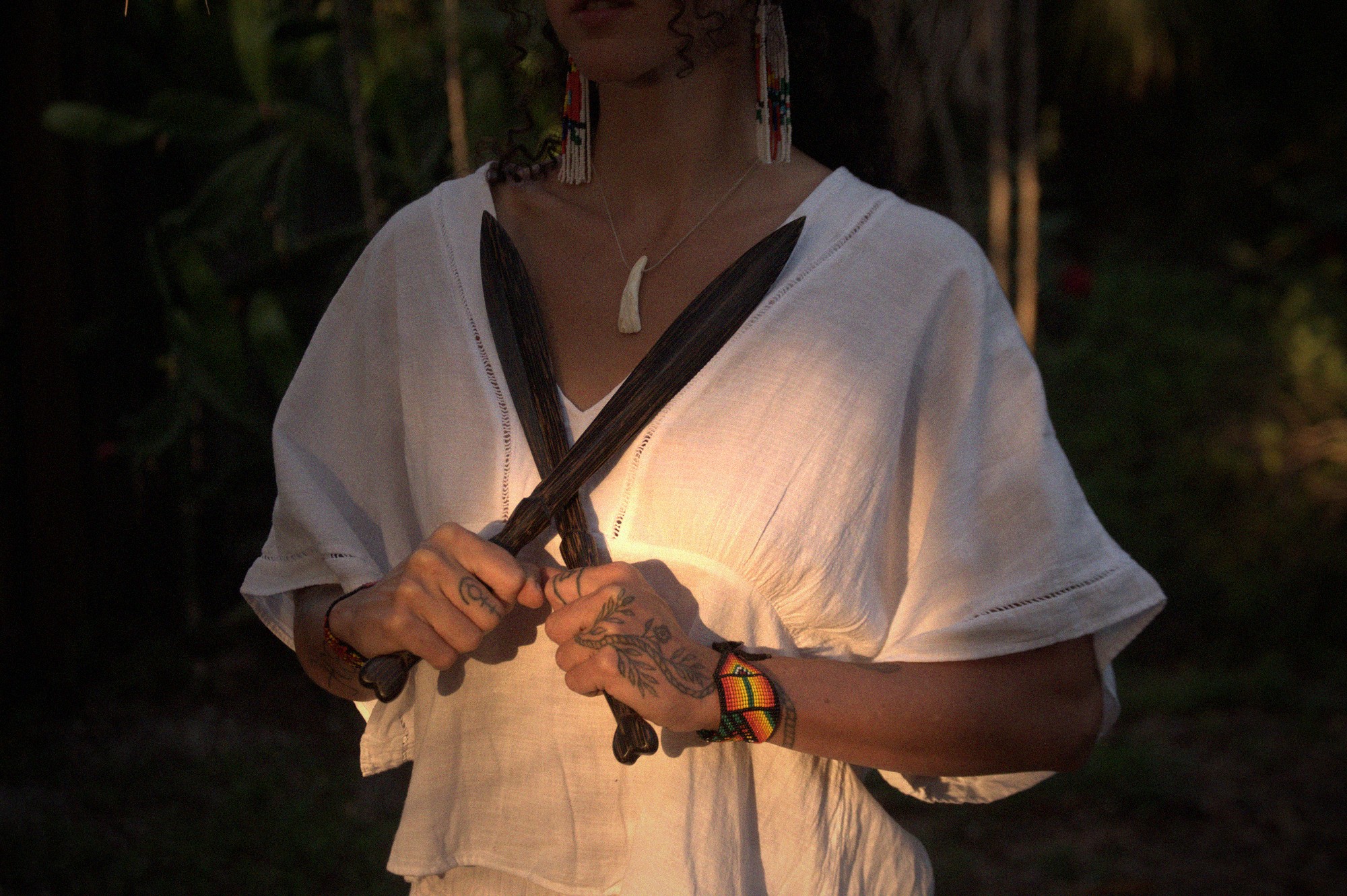
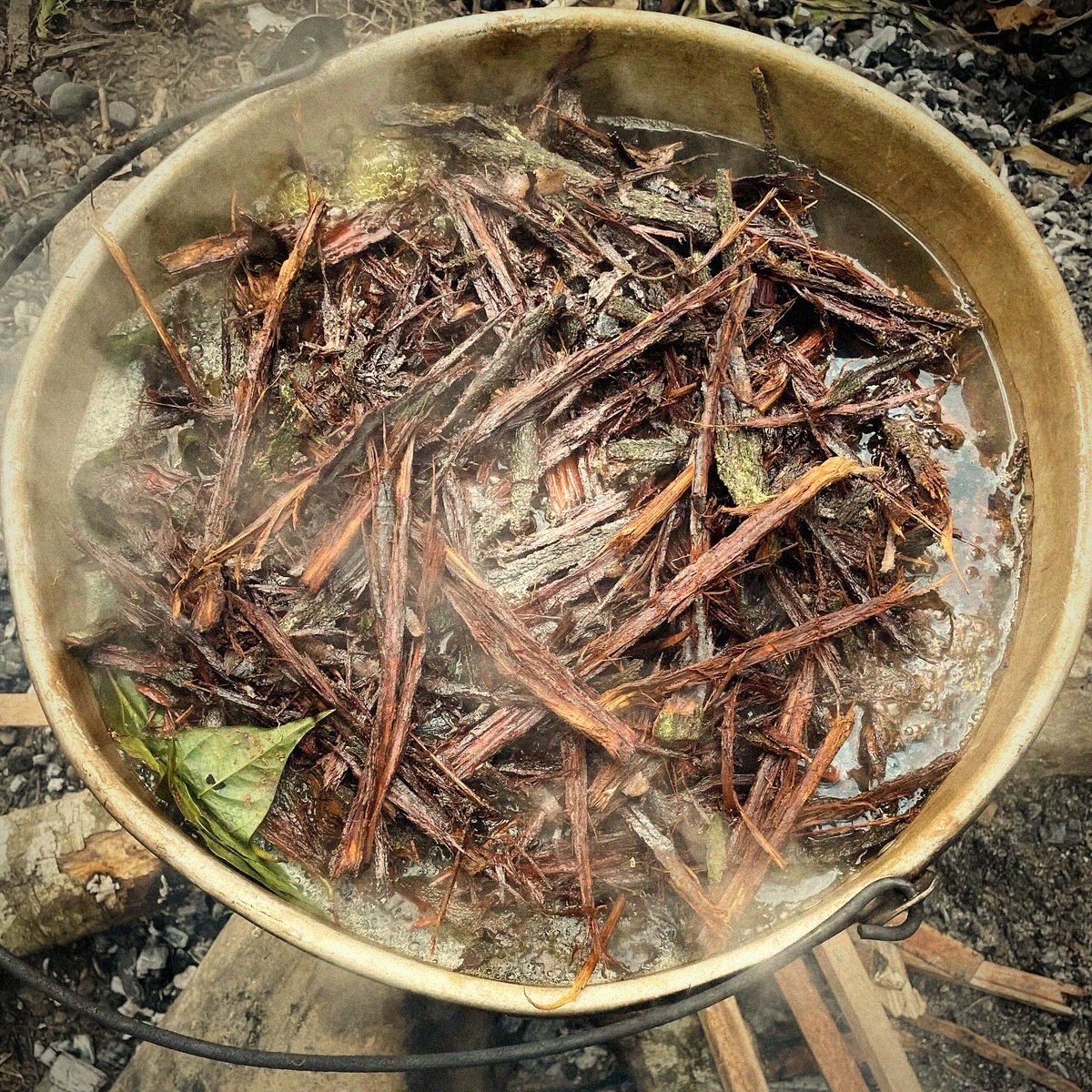
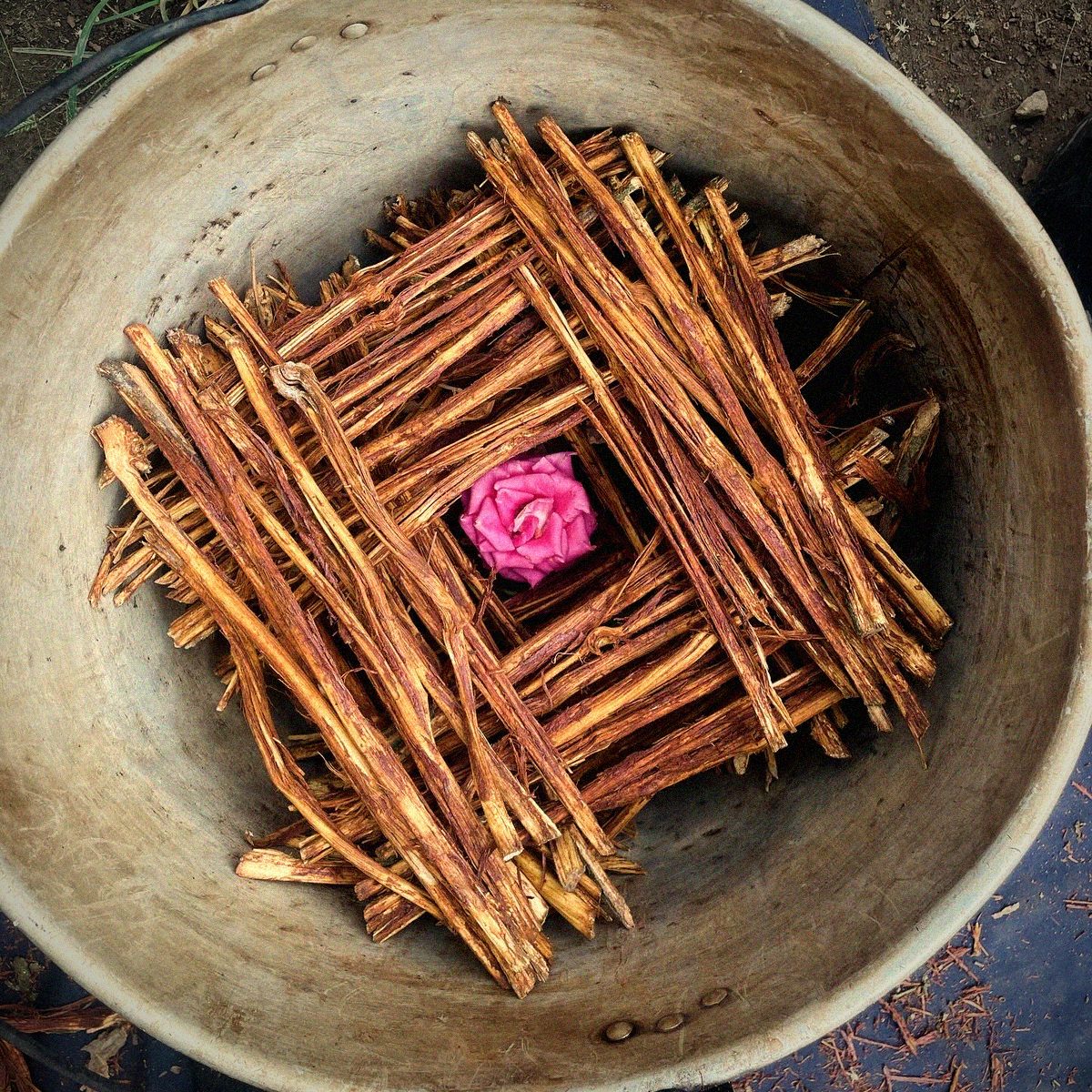
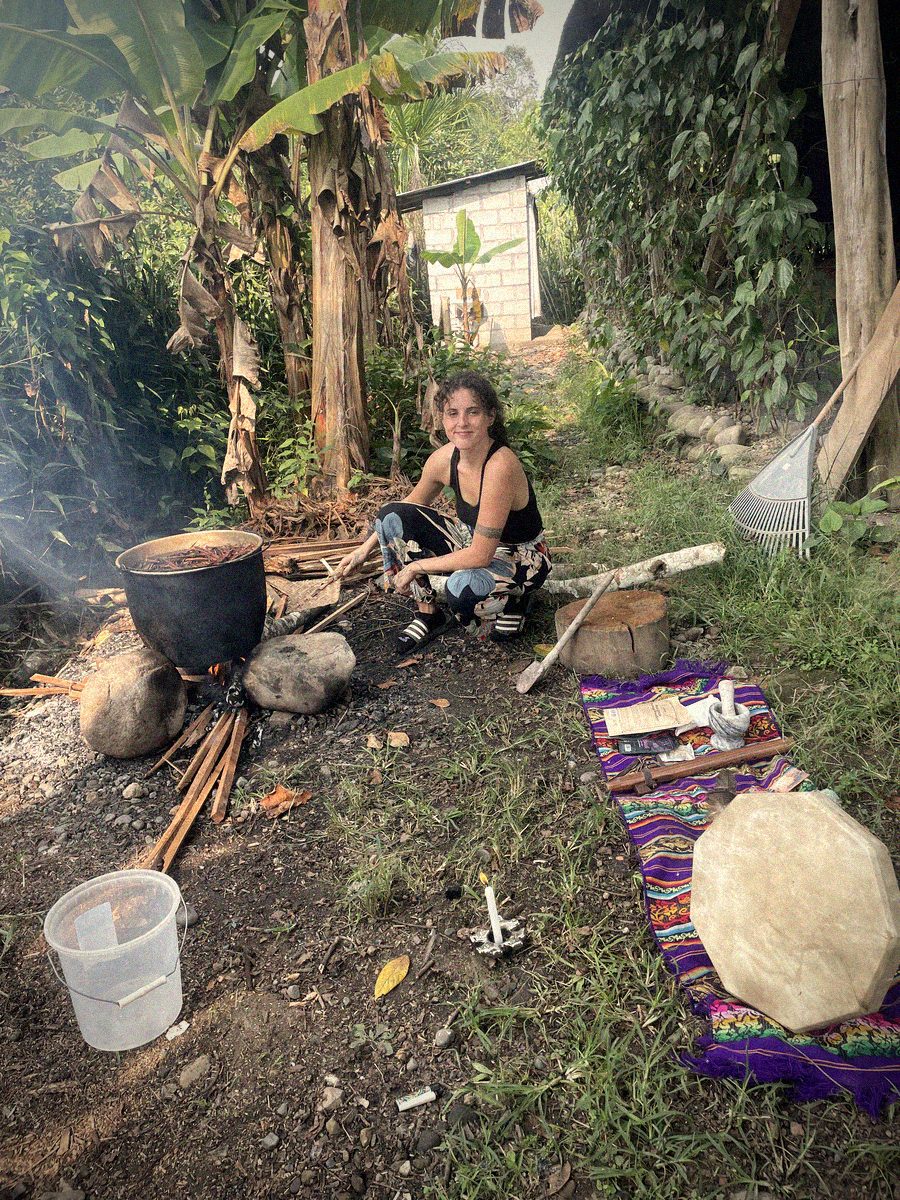
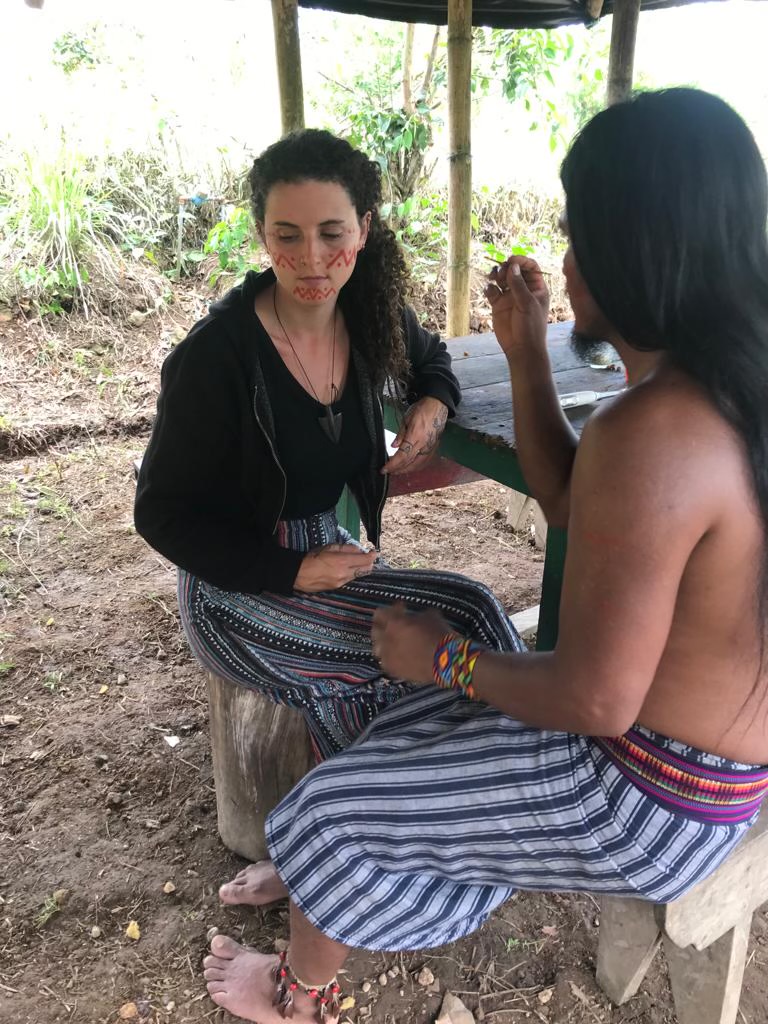
I apprenticed with Taita Galo Amaru Nanki, an indigenous healer from the Shuar culture. I sat through intense fasts, ceremonial initiations, and hundreds of ayahuasca ceremonies witnessing the way of spiritual healing. I was blessed with the opportunity to learn the art of medicine making with both ayahuasca and San Pedro, to understand the potency of tobacco in its true nature, and to work with tsentseks, the spiritual arrows of protection central to Shuar practice. The path asked me to release all that I thought I knew of life. It taught me how to face darkness yet remain invigorated with hope. It taught me how to find wisdom in suffering. Fasting, plant diets, and initiations stripped away the surface to reveal a deeper understanding of what it truly means to be connected to life.
Through years of challenging apprenticeship, humbling medicine making, and intense vision quests, I was blessed with the permission to share some of these cultural practices with the community: energetic limpias, frog medicine, guided prayer, flower spiritual baths, and house purifications.
El Camino Rojo: Lakotan & Andean Lineage
With gratitude to AyaPuma & Taita Santiago
On El Camino Rojo, I completed my four-year commitment to vision quest, a practice rooted in Native American traditions, this lineage specifically drawing from Lakota origins fused with Andean practices. Each year represents a different pillar. Each pillar teaches us what it means to be in right relation within ourselves, with others, and with the natural world around us. Each year requires intense fasting from both food and water, and it is a deep prayer that blesses us with gratitude and clarity for all that life gives us.
It is through these four years of vision quest that I shape my practice. Humility. Willpower. Sincerity. Integrity. It is through these four pillars that we can make real change in our beliefs, in our hearts, and in our lives.
Indigenous Advocacy & Integrity
Walking this path has made me a deep advocate for respecting indigenous knowledge and ensuring that indigenous voices remain at the forefront of these ancestral therapies. Witnessing the level of expertise, professionalism, and dedication it takes to safely wield these medicines has fortified my commitment to honoring these indigenous systems and their native practice. These master plants and ancestral therapies do work, and can allow for great healing, but only through eldership, practice, knowledge, and commitment.
It is my belief that anyone who wishes to share ancestral medicines that come from a living culture must have an elder and must have gone through the traditional process of receiving such blessings to ensure safe space holding. It is through this belief that I maintain integrity in these offerings, forever giving my thanks to this path and to my elders.
I am grateful to have received the Chanupa, the sacred pipe, teaching me the ancestral practice of prayer and allowing me to share it with the community. I am thankful for three years of Sundance, and for the honor of offering my blood to the tree of life. I carry deep gratitude to the Shuar culture for bestowing my medicine name, Tsunki Nua, Grandmother Serpent of the Waters, and for allowing me to know this spirit as I continue walking this path of learning and of being in service. I thank the Quechua lineage for gifting me my medicine name, Puyu Sisa Nan, after my third year of Sundance. It is an honor to walk the path of the Flower Cloud.
NutraPhoria
Certified
HCA
Registered
Currently enrolled in a NANP-approved two-year holistic nutrition program through Nutraphoria School of Holistic Nutrition, preparing for BCHN board certification upon graduation.
This training takes a functional, whole-food, and constitutional approach to nutrition. It is rooted in the understanding that what nourishes one person may not nourish another, and that true nutrition goes far beyond calories and macros. Every person carries a unique constitution, a unique story, and a unique set of needs. Honoring that individuality is where real nourishment begins.
The focus is on using food as medicine. On understanding the intricate relationships between digestive health, hormonal balance, mental clarity, and systemic wellness. On recognizing how the gut-brain connection shapes everything from mood to immunity, and how deficiencies, imbalances, and chronic inflammation can quietly shape a person’s long-term vitality.
Coursework moves through anatomy, physiology, and biochemistry. Through macro and micronutrient therapy, digestive and hormonal health, detoxification pathways, and clinical nutritional assessment. It trains the practitioner to look at the whole person rather than a single symptom, and to build personalized protocols that address root cause rather than surface complaint.
My own relationship with food is what first led me to this work. Because my healing began with relearning how to nourish myself, I carry that lived experience into every consultation. I believe food is one of the most ancient and sacred forms of medicine we have, and that returning to it, consciously and with care, can restore what modern life so often disrupts. Food is a love language. A prayer. A remembrance. And when honored as such, it becomes one of the most powerful tools in a healing journey.
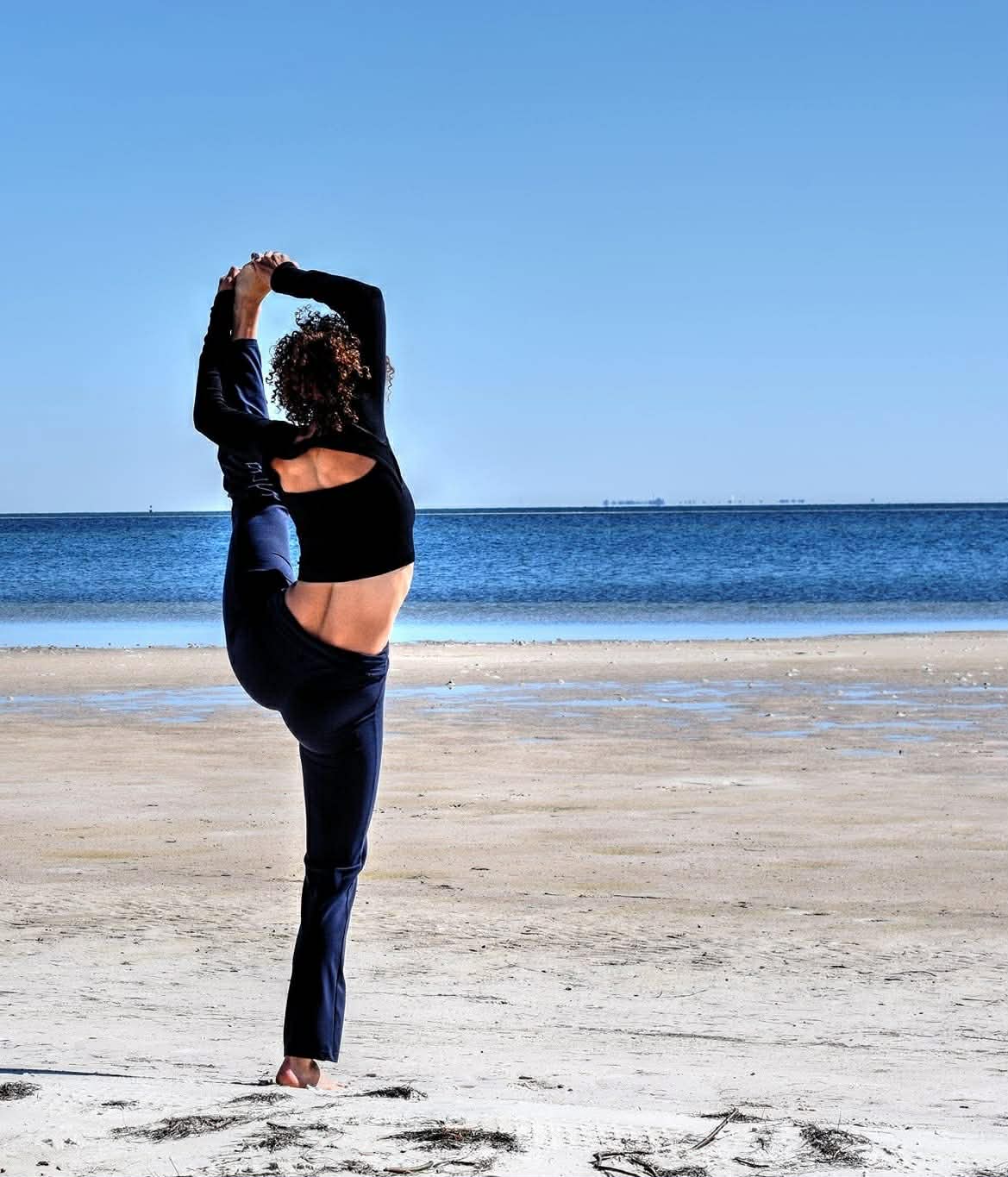
YTT-certified yoga teacher with two years of dedicated Ashtanga Yoga study under Jessica Mihm at Body Electric.
This practice is not about flexibility or fitness. It is about creating intentional spaces of meditation and movement where the body can release what it holds, the mind can quiet, and the spirit can breathe.
Ashtanga is a disciplined, breath-led system rooted in the eight-limbed path of yoga. Its structure, its repetition, its demand for presence, is what makes it so transformative. The practice asks you to show up, again and again, and through that commitment, something softens. The nervous system settles. The mind stops running ahead. And the body, so often ignored or overridden, begins to speak again.
Through breath (pranayama), posture (asana), and focused attention (drishti), the practice becomes a moving meditation. A daily ritual of returning home to oneself. For me, Ashtanga was the first doorway into that sense of return. It met me in a season of deep searching and gave me something I had not yet found in any other modality: a way back into my body, and with it, a way back to myself. It taught me that healing is not something done to the body, but something the body does naturally when we create the conditions for it.
Yoga and intentional movement are woven into the broader healing work as essential tools for embodiment, helping clients reconnect with their physical selves as part of a whole-being approach to wellness. Whether guiding a private session, a small group, or offering movement as part of a larger healing protocol, my intention is always the same: to create a sacred container where the student can meet themselves, breath by breath, exactly as they are.
To My Maestros, Maestras & Plant Elders
In deep gratitude, I thank all of my teachers for entrusting me to carry this ember of knowledge forward. These offerings would not exist without your dedication, commitment, and humble servitude to humanity. I can only hope to nurture this spark so that it may light the way for future generations.
Your humble student,
A
Begin Your Journey
Book a free 30-minute discovery call to explore your needs and feel into whether this work is right for you.
Schedule Your Call