Click to Read the Full Story
The I Pillar of Spirituality · Lessons From the Red Road
Year 1: 4 Days — Vision Quest · Teachings of Going Without Water
Humility — Life Without Water Is a Life Without Love
By Alora Ferrara · July 31, 2026
I was sitting under the canopies, alone, thirsty, aching and hungry on the Andean mountainside in Ecuador. My throat was so parched that it felt like somebody shoved sandpaper down my esophagus and deep into my cells…
Read the Full StoryThe I Pillar of Spirituality · Lessons From the Red Road
Year 1: 4 Days — Vision Quest · Teachings of Going Without Water
Humility — Life Without Water Is a Life Without Love
By Alora Ferrara · July 31, 2026
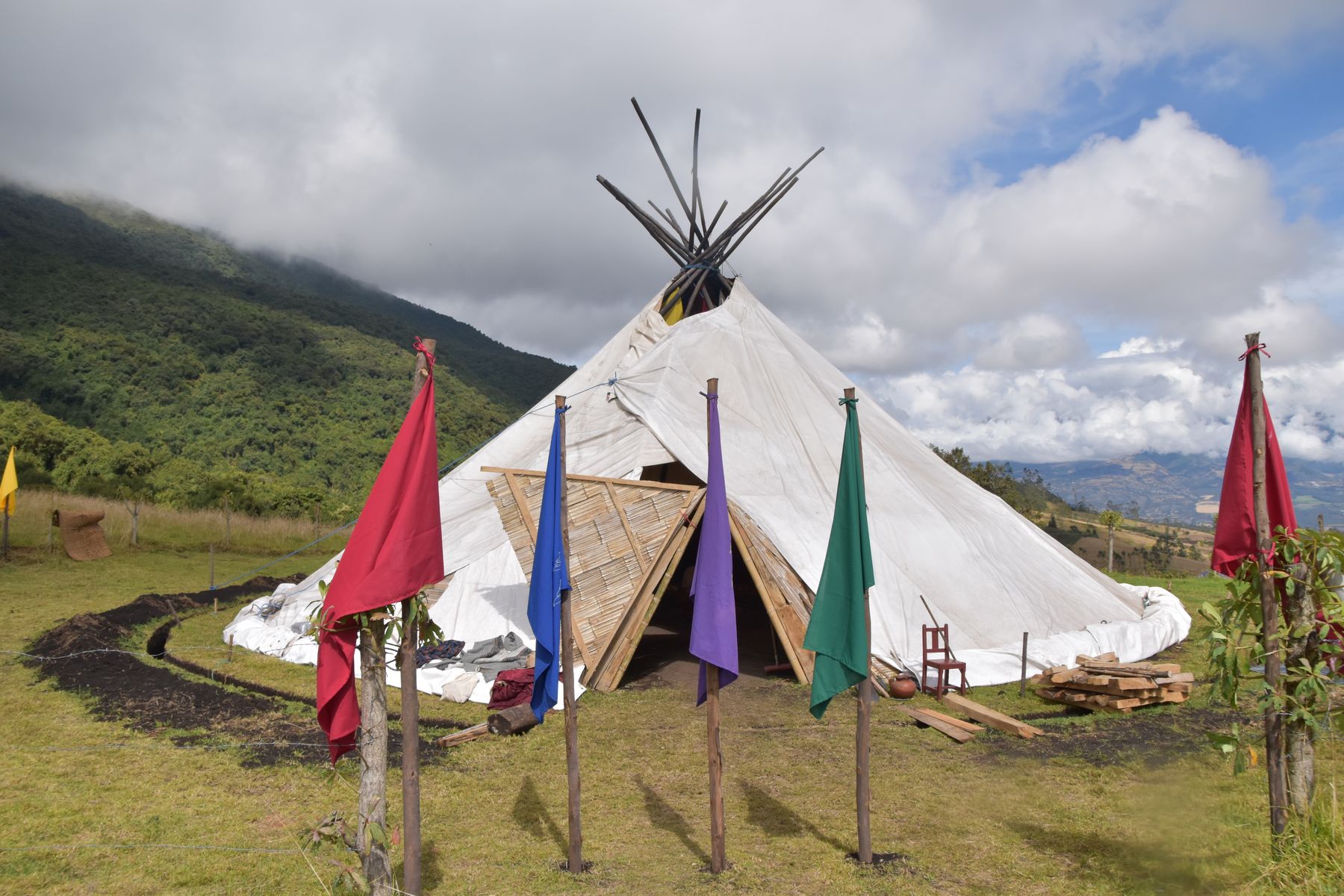
The ceremonial tipi and prayer flags of the four directions, Andean mountainside, Ecuador
I was sitting under the canopies, alone, thirsty, aching and hungry on the Andean mountainside in Ecuador.
My throat was so parched that it felt like somebody shoved sandpaper down my esophagus and deep into my cells.
My lips were cracked, raw and peeling. My coarse, dehydrated tongue desperately tried to salvage their devastated state, only to make them crack and bleed even more.
I lay in my sleeping bag, shivering from the cold, frigid dry air, trying to breathe through my semi-clogged nose to preserve whatever shred of saliva I had left, looking at the darkness that prevailed in the night sky, the moon absent from its typical place. Time trickled by, almost as if to mock me, to drag my suffering out for as long as possible.
“I can’t believe this is only the third night,” I thought to myself in desperation. How the hell am I to do 4 nights of this?
All I could think of, like a broken record, was ice-cold, sparkling water, Topo Chico with a squeeze of lemon, refreshing carbonation, water, water, water.
Each night I dreamt of water. I dreamt of standing under waterfalls, arms wide and my mouth agape, trying to take it all in, only to realize the water was dry, without substance and unforgiving.
My eyes would then snap open, just to wake to the cruel reality that my parched mouth was bone dry, and my cells were shouting in unison that they were all dying.
If I could just have one sip — I’ll be the happiest person in the world.
If I could just ease this aching thirst from hell with just a touch of that cool, soothing hydration — I’ll never ask for anything ever again.
If it could just rain and ease the soreness of my lips and soothe the dryness of my skin, even just that — I promise, I’ll never take water for granted ever again.
Please let me just at least muster up some tears and cry, even just a single tear to coat my throbbing tongue, would be enough. I swear.
I promise. Please. Please. Just a little bit of water. Anything. I promise I’ll never take a glass of water for granted ever again. I’ll be grateful. I swear. Please…
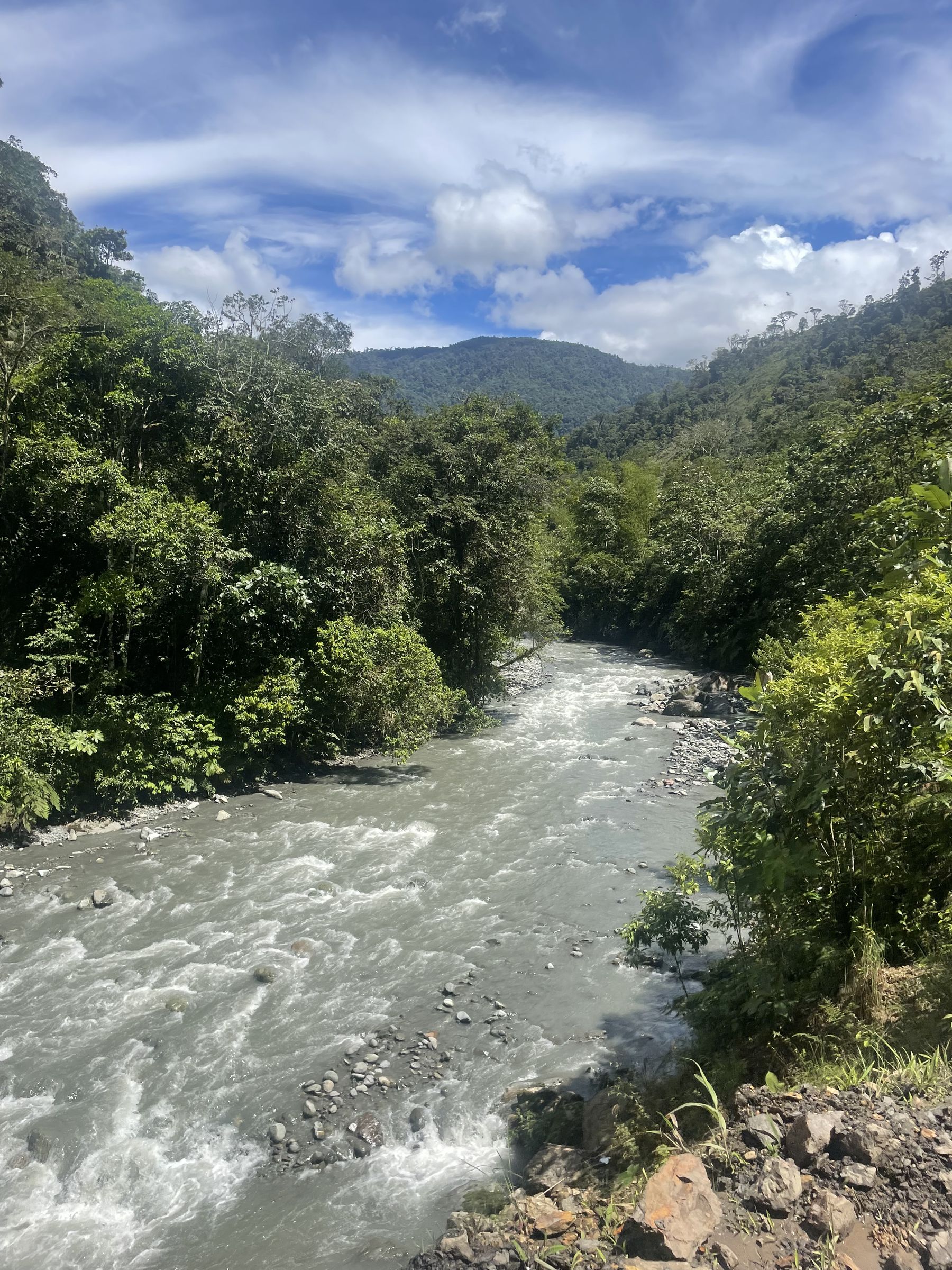
These are the thoughts that circulate through your mind when you sit for a Vision Quest. A Native American practice, initiation if you will, to understand your relationship with life more deeply.
You sit alone, on a mountain, with no food, no water, no distraction. All that you have is tobacco in your hand and a prayer in your heart.
Each year represents a different direction, which encompasses a different pillar, or teaching, of what it means to be “spiritual.” In many Native cultures (at least the ones I learned from), this really means no more than the relationship we have with life, nature, our being, and the unseen realms. And there are many tools to rekindle that connection. Vision Quest is one practice out of many.
I always appreciated the simplicity of Vision Quest and its message. Also known as “Búsqueda de Visión” in Spanish, the Quest for a vision. In Lakota, it is known as Haŋbléčheyapi — crying for a vision.
It is a sacred rite. A quest. Where you sit still. Alone. With nothing and no one. And through this solitude, through the hunger and thirst, you realize, you remember, and feel that you are not alone. You don’t quest outside of yourself. You go within.
In the Western world of neo-spirituality, everything has become so loud, excessive, and consumer-based. The more crystals, readings, “higher-self” workshops, and ceremonies one can spend hundreds of dollars on to become wiser and appear more deeply connected, the further removed it is from the message that Native practices lean into. This isn’t to say those things are wrong or bad per se, but it is to speak on the fact that less is more. And these key teachings we can find in the Vision Quest are missing from the Western understanding of spirituality. Look within. Sit still. Be quiet. Go without. See what you discover.
The Red Road rite of passage forces your heart to reach within to call out to the heavens in communication, a warrior cry for guidance and clarity.
The hunger, thirst, and solitude force you to go so deep that you discover a flowing reservoir of gratitude, fortitude, and strength.
The time alone on the mountain allows you to turn inward to rediscover that spark. To remember that omniscient voice that speaks to you. That has always spoken to you and through you. But you no longer remember how to listen. A voice that we cannot hear in the ruckus and noise of our modern lives. It’s a voice that comes from the winds and blows within us when we can be still and we are willing and wanting to.
This Quest, Vision Quest, teaches us how to listen and how to search within ourselves, for the answers, for the way, in both our personal lives and in our communities.
And the best part — it is free. Meaning, this wisdom is within us. We have been convinced that we have to pay hundreds, even thousands, to gain access to a higher truth. The Vision Quest does not ask us to pay or break our bank accounts for this spiritual insight; it doesn’t come with a dollar sign. This wisdom is our birthright. We must sit with ourselves. Something seemingly so simple, yet somehow, the most difficult. We just have to be willing to embark on the arduous, yet highly necessary, inner-quest to claim it.
The commitment of Vision Quest for the medicine person is 4 years. Traditionally, each year is 4 days. However, certain adaptations have changed that.
Year 1 — 4 days. The teaching of humility. Facing the direction of the North. Where the winds of challenge blow. Represented by the color red.
Year 2 — 7 days. The teaching of courage and willpower. Facing the direction of the East. Where the winds of beginnings blow. Where the sun rises. Represented by the color yellow.
Year 3 — 9 days. The teaching of sincerity. The color black. Direction of the West. The winds of endings and death. Of the great mystery.
Year 4 — 13 days. The teaching of integrity. You break out of the dark into the color of white. Your initiation into life.
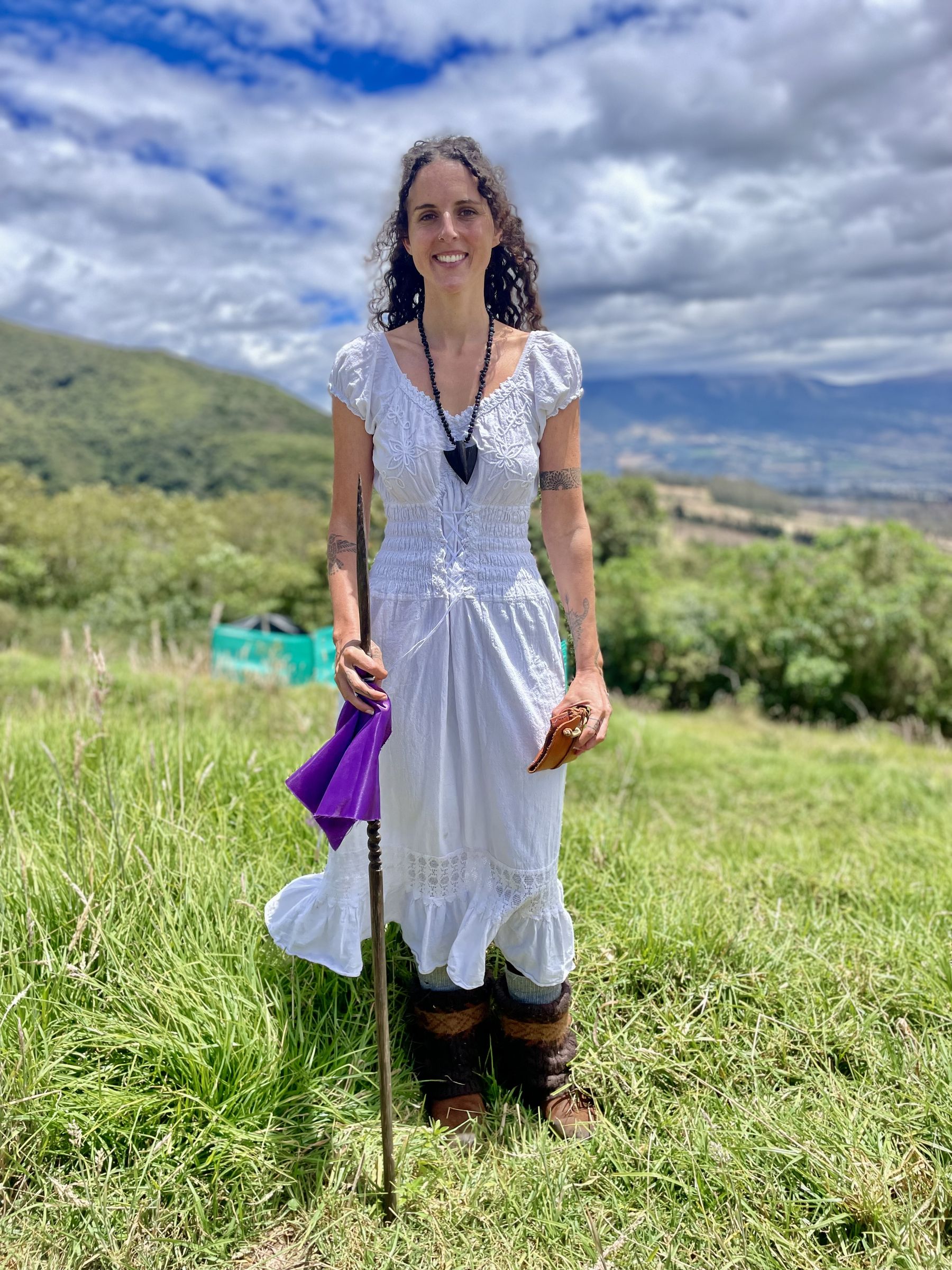
Feeling elated after finishing 13 days, my 4th year, on the mountain
In the first 4 days, you go without food and water. The first time sitting without water, the thirst becomes tortuous, and you have no sense of hunger because the thirst is so loud.
It is through this severe thirst that you become humbled. You remember the foundational layer of what it means to be in relationship with our natural world. You remember how much the natural world cares for us. And being without water feels like the deepest neglect, where there is no love. And humans simply cannot live, or at least live well, without love. We can’t survive without it — just like we can’t survive without water.
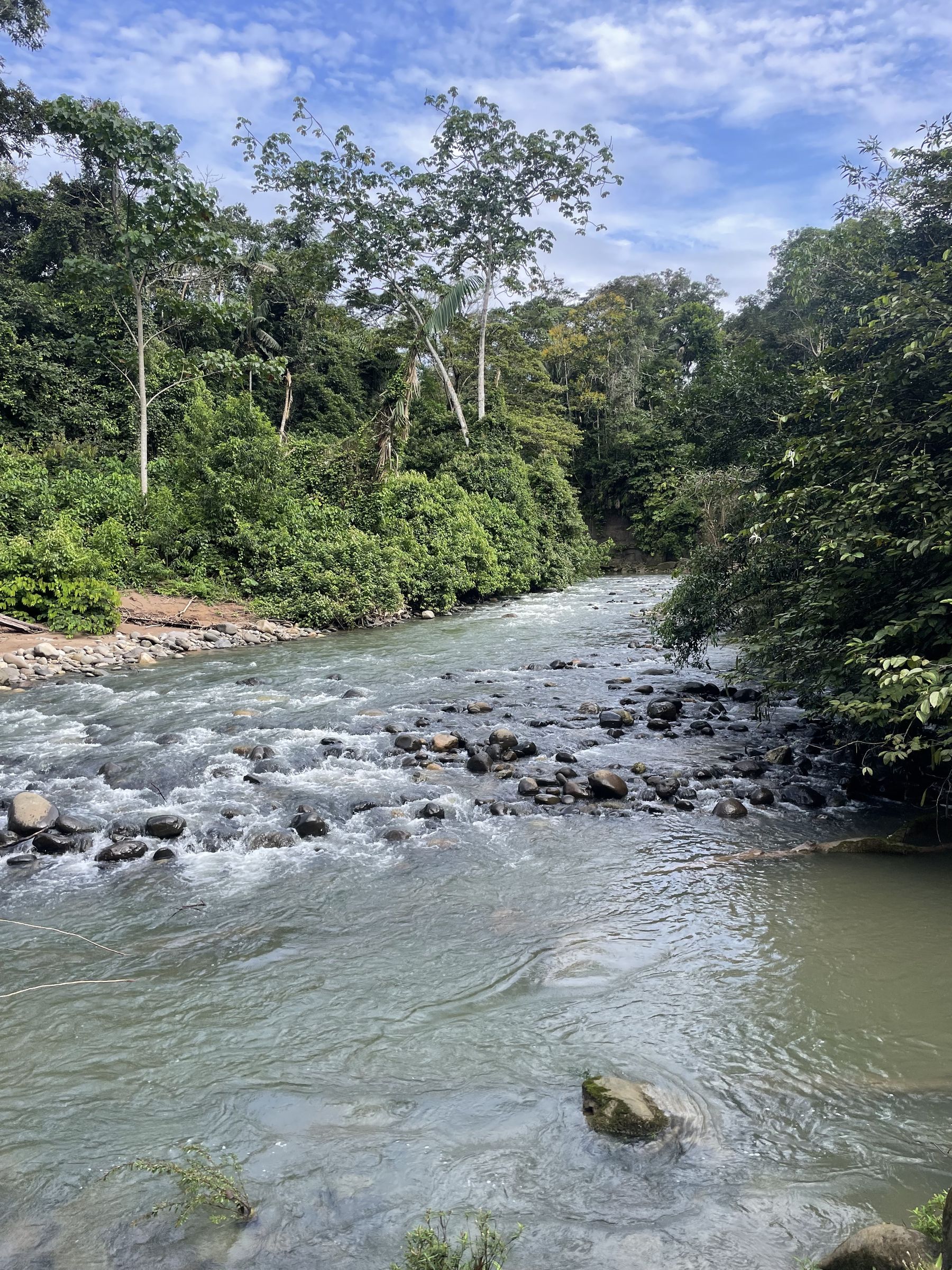
In the hundreds of Indigenous ceremonies I apprenticed in, they always prayed for the water. I didn’t fully get it at first. I could conceptualize why. But I didn’t feel why until I went without it.
When we go without, we remember what’s important. That is the practice. We remove the clutter and noise, and rediscover the foundations of our existence. It’s invigorating. Such a simple act, yet deeply moving.
As they pray for this water, they honor it. And thank it. They see it as the expression of love between Father Sky and Mother Earth. A life-giving force. Where all of life began. It sustains all and gives of itself freely. All it asks for is respect. To be honored. Which is the nature of any good relationship.
But humans have fallen far away from our original task of stewardship. We have lost the teaching of the first pillar — humility — and take from the water with greed and callousness.
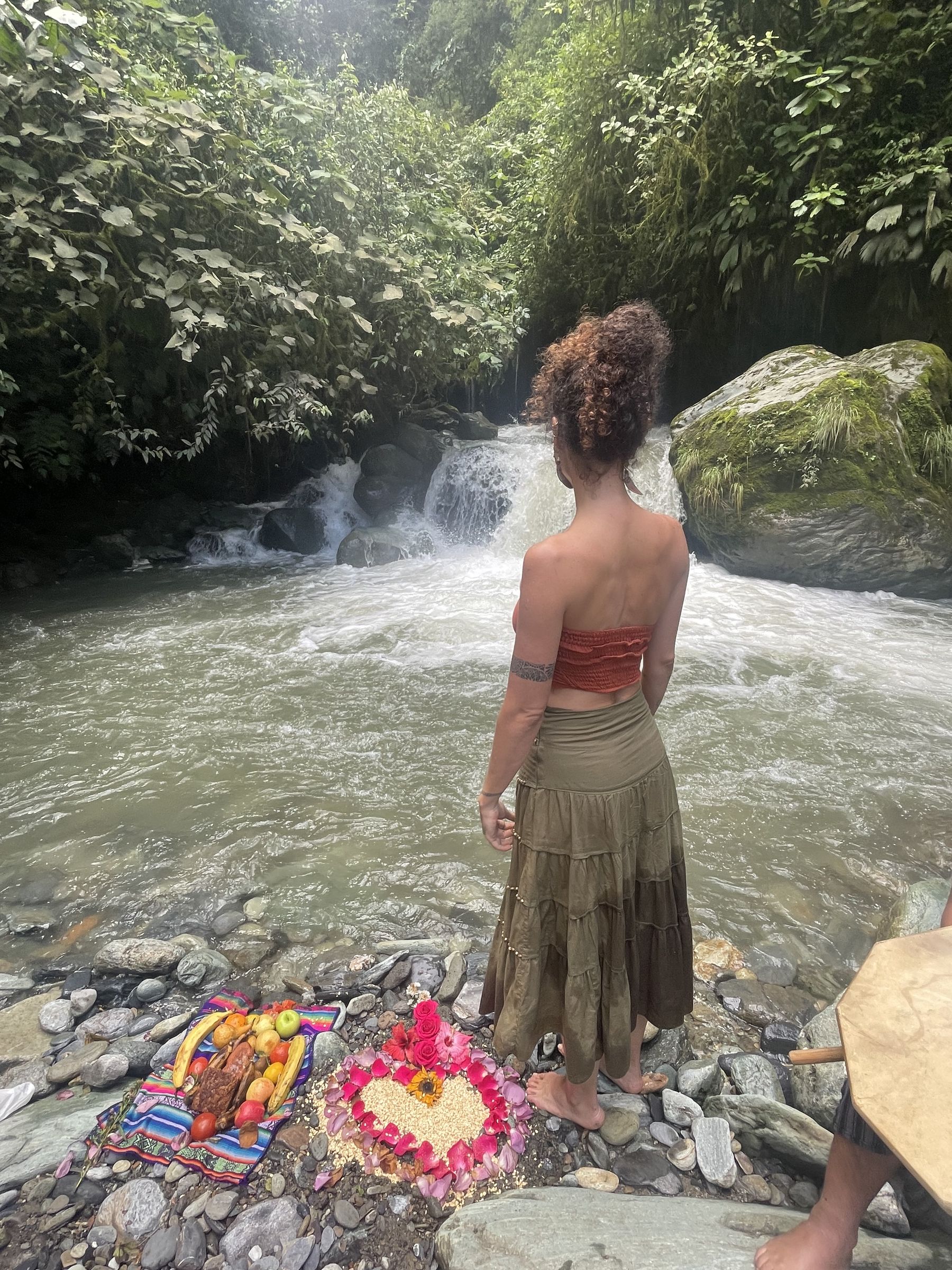
An offering of fruit and flowers, given in gratitude to the water
My elder shared with us in a prayer,
“Water is a mirror to our humanity. It shows us through its reflection where we stand in our relationship with life. When the waters become polluted, dirty, and depleted, this reflects the state of the love we are giving to this life. We have forgotten our relationship with Her; we have neglected this sacred relationship.”
And the opposite is also true. When the waters are flowing in purity and abundance, it reflects the very nature of the love we are giving to this relationship with Life.
Let this blog post be a reminder. Be grateful for the food on your plate and the water in your home. Those are treasures. Gifts from the natural world. Out of a place of love. Like a mother or father wishing to nourish us and care for us. We drink this water with so much gratitude that it heals us. We eat the food with so much thanks that it nourishes us on a cellular level. These are the foundational pillars of what it means to be in right relation. And when we can be in right relation, we can discover a profound healing within our bodies, our lives, and our spirits.
When I came down from the mountain after suffering without the graciousness of water, that first sip was the most precious sip of water. I burst into tears.
“Thank you, thank you. I honor you, I love you. Please forgive me.”
These were the first words I thought when the ache in my being was finally eased from the graces of such a hydrating force. It felt like being caressed for the first time. Or receiving a sweet kiss after such neglect. It felt no different than experiencing true love for the first time. The drought is over. And the currents of love flood through our being. And it quenches our thirst and desire for connection.
That’s what the first sip taught me. And then I understood, immediately, why we pray and honor the water in every ceremony. I also sought forgiveness because I knew that I forgot to honor this sacred essence throughout my life. I never went to give her flowers. Or thank her for all that she gives. I didn’t remember how to be grateful to this great grandmother. To this life-giving essence.
Experiencing that level of gratitude that I got from one sip of water was remarkable. So much so, I make sure to go to the ocean and say thanks and sing songs to her. Because the water likes to be sung to.
We have so much stuff in our life that we hardly experience such a profound level of thanks. It is this thanks that fuels harmony. It is this gratitude that fuels right relations in our bodies and, thus, in our environment.
Water takes up about 70% of the Earth’s surface, and interestingly enough, it also takes up roughly the same — about 66% — in our own bodies. Water is essential for life. Water is the only natural substance that can be found in three states — liquid, solid, and gas — hence being the elemental force of shapeshifting, the traveler through dream states, and the gatekeeper to our emotional body. Water is ancient. This is why, in many Indigenous cultures, water is viewed as an elder.
Fun Fact: “The Earth’s water cycle first began to function about 3.8 billion years ago, when the planet’s initial oceans were formed.”
The water we drink today is the same water that the dinosaurs enjoyed. Every cell in our body depends on H₂O for so many functions, like metabolic reactions, nutrient transport, and so much more.
And to think, we take it for granted because like a loving elder, she has always been around. But just like in any relationship, when we start taking it for granted, we start to mistreat it, and thus, dis-ease and dysfunction begin to fester.
This is why it is my belief, and a big part of my practice, to return to the foundations of any health journey. To see where we have fallen out of harmony and balance in our relationship to our body, to our food, to ourselves, and to our community.
The Red Road teaches us of this sacred relationship. And to fall out of it is to fall out of health and into illness.
So, I pray, through this blog, through my heart, that we can remember what is important in our lives. What we truly need, not just want or desire. That we can wake up with gratitude for the roof over our heads and the friends by our side.
This gratitude flows from the first pillar of spirituality — humility — and it is through this foundational pillar that everything else is built.
Be humble, allow gratitude to flow, and watch life begin to purify itself once again.
With love, Linden & Water,
A
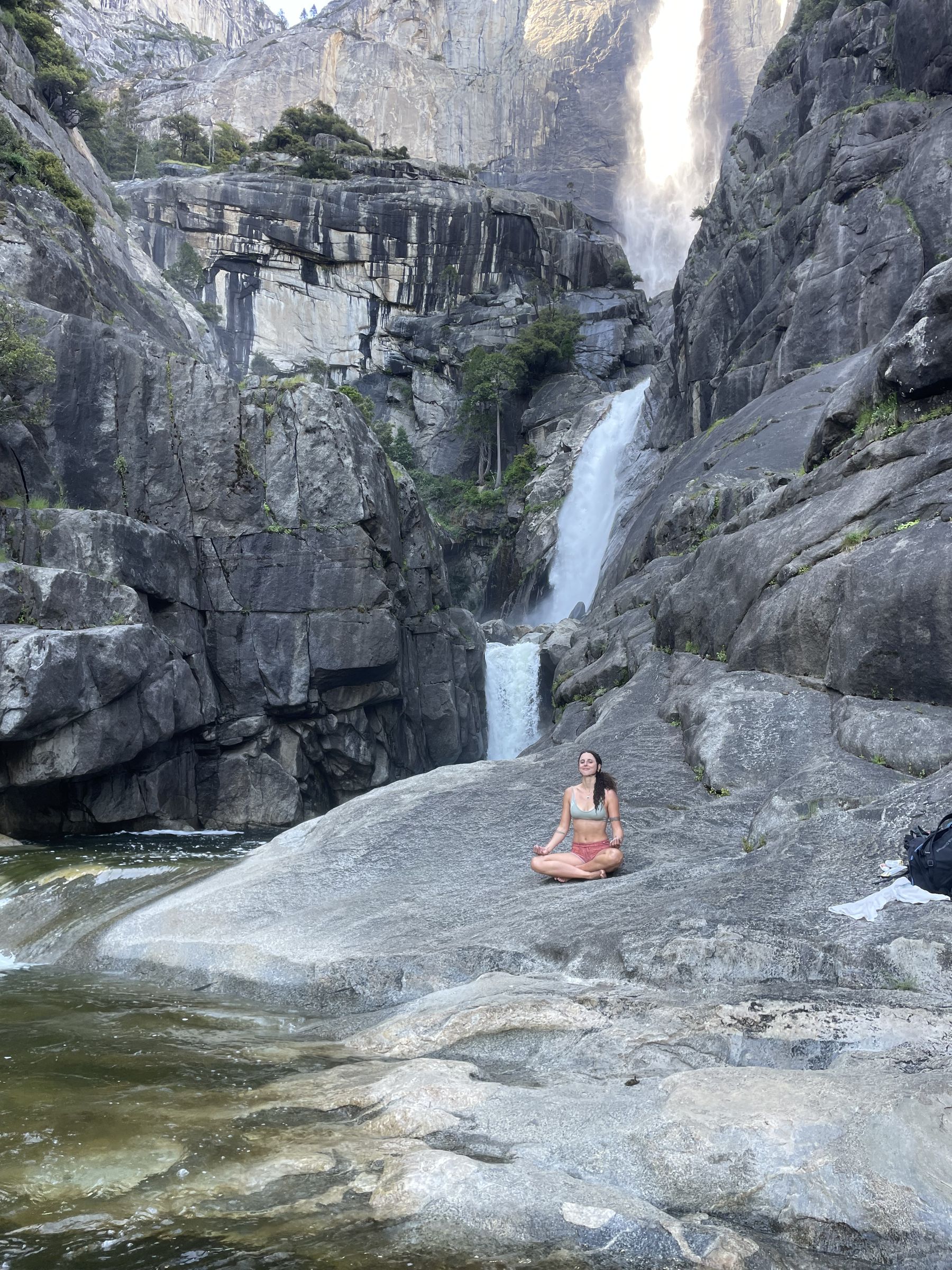
Sitting in stillness with the water — the practice continues long after the mountain
Great Spirit Prayer
Oh, Great Spirit,
Whose voice I hear in the winds
and whose breath gives life to all the world.
Hear me! I need your strength and wisdom.
Let me walk in beauty, and make my eyes
ever hold the red and purple sunset.
Make my hands respect the things you have made
and my ears sharp to hear your voice.
Make me wise so that I may understand
the things you have taught my people.
Let me learn the lessons you have hidden
in every leaf and rock.
Help me remain calm and strong in the
face of all that comes towards me.
Help me find compassion without
empathy overwhelming me.
I seek strength, not to be greater than my brother,
but to fight my greatest enemy: myself.
Make me always ready to come to you
with clean hands and straight eyes.
So when life fades, as the fading sunset,
my spirit may come to you without shame.
— Translated by Lakota Sioux Chief Yellow Lark, 1887
Sacred Hydration Electrolyte Drink
In honor of the water — a simple, whole-food electrolyte drink. No powders, no dyes, just what the earth already gives us.
Ingredients
- 2 cups filtered or spring water
- 1/2 cup coconut water
- Juice of 1/2 lemon or lime
- 1/4 teaspoon high-quality sea salt or Himalayan pink salt
- 1 tablespoon raw honey or maple syrup
- Optional: a few fresh mint leaves or a thin slice of ginger
Instructions
- Combine the water and coconut water in a jar or pitcher.
- Stir in the sea salt and honey until fully dissolved.
- Add the fresh lemon or lime juice.
- Add mint or ginger for extra flavor, if desired.
- Chill or serve over ice.
Before you drink, pause for a moment. Hold the glass, feel its coolness, and say thank you — to the water, to the earth, to your body for asking for what it needs. Then drink slowly, with gratitude.